


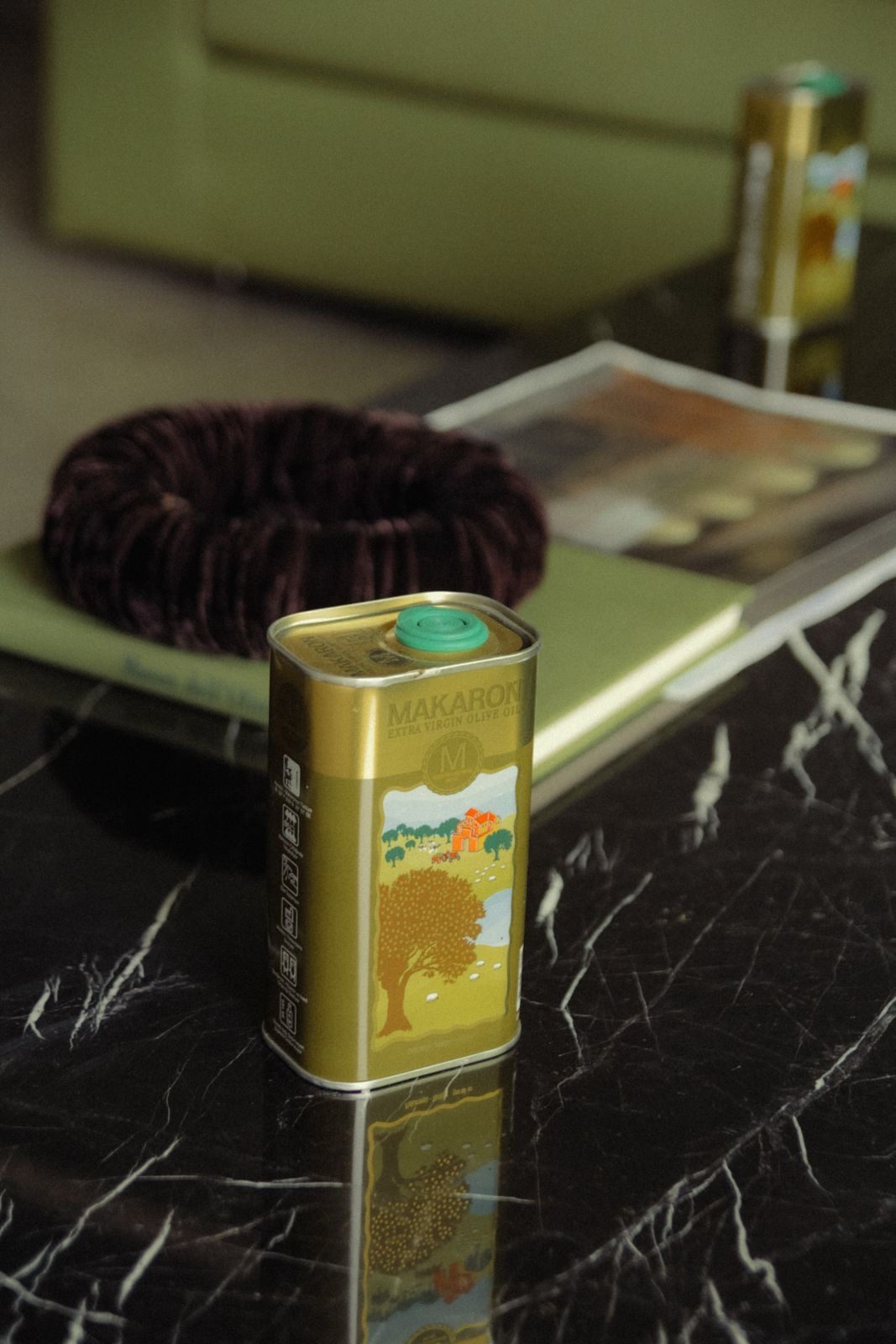
One olive.One grove.
Early-harvest, cold-extracted,
single-origin olive oil
From its branchto its tin
We press our grove's olives
the day they come off the tree.
Without
- blending
- refining
- heat
- additives
- or anyone else's olives.
We're talking about an oil withmoremoremore
&
more of the tastethat gets refined out of most olive oil.
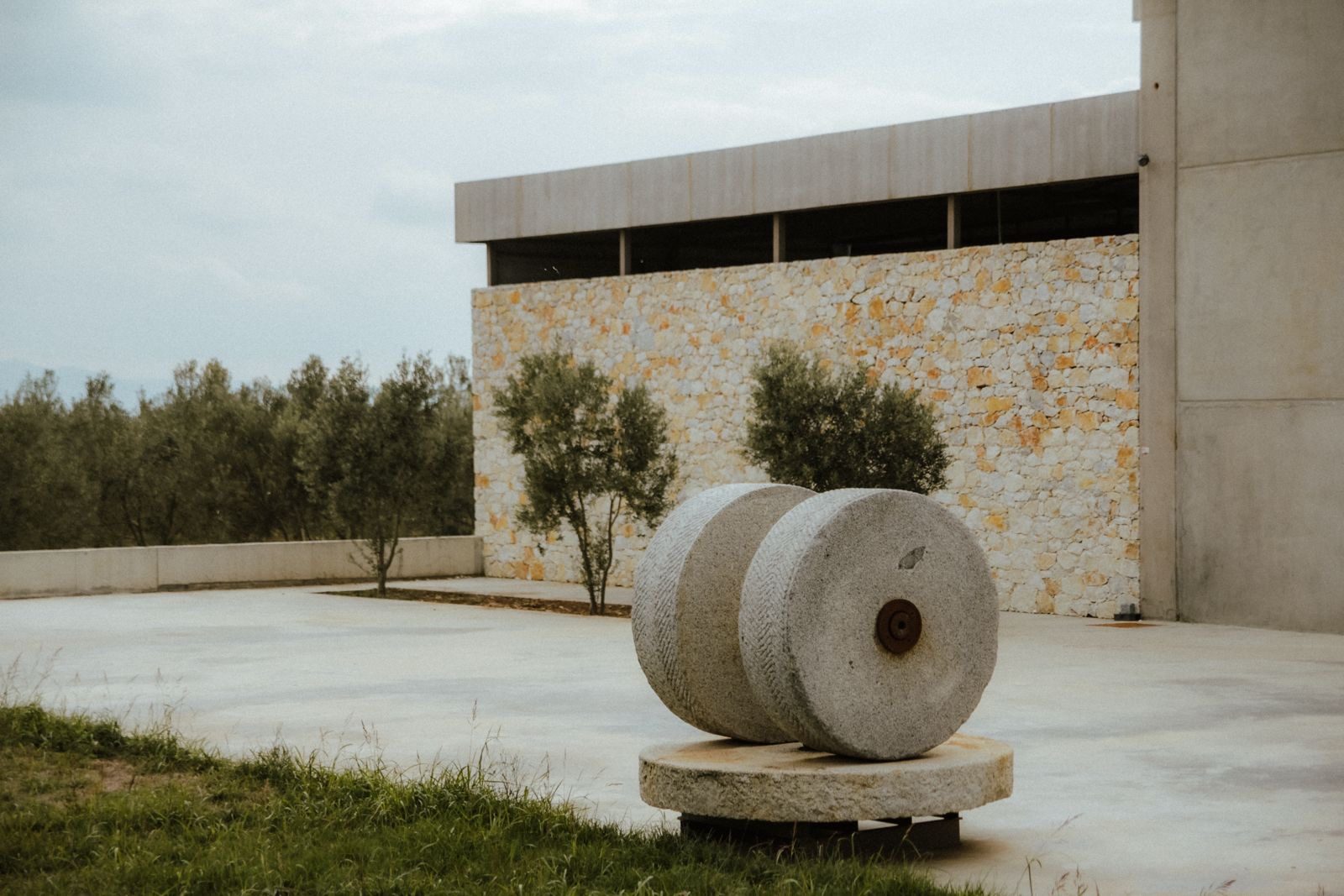
Inspired by the grove's own clock
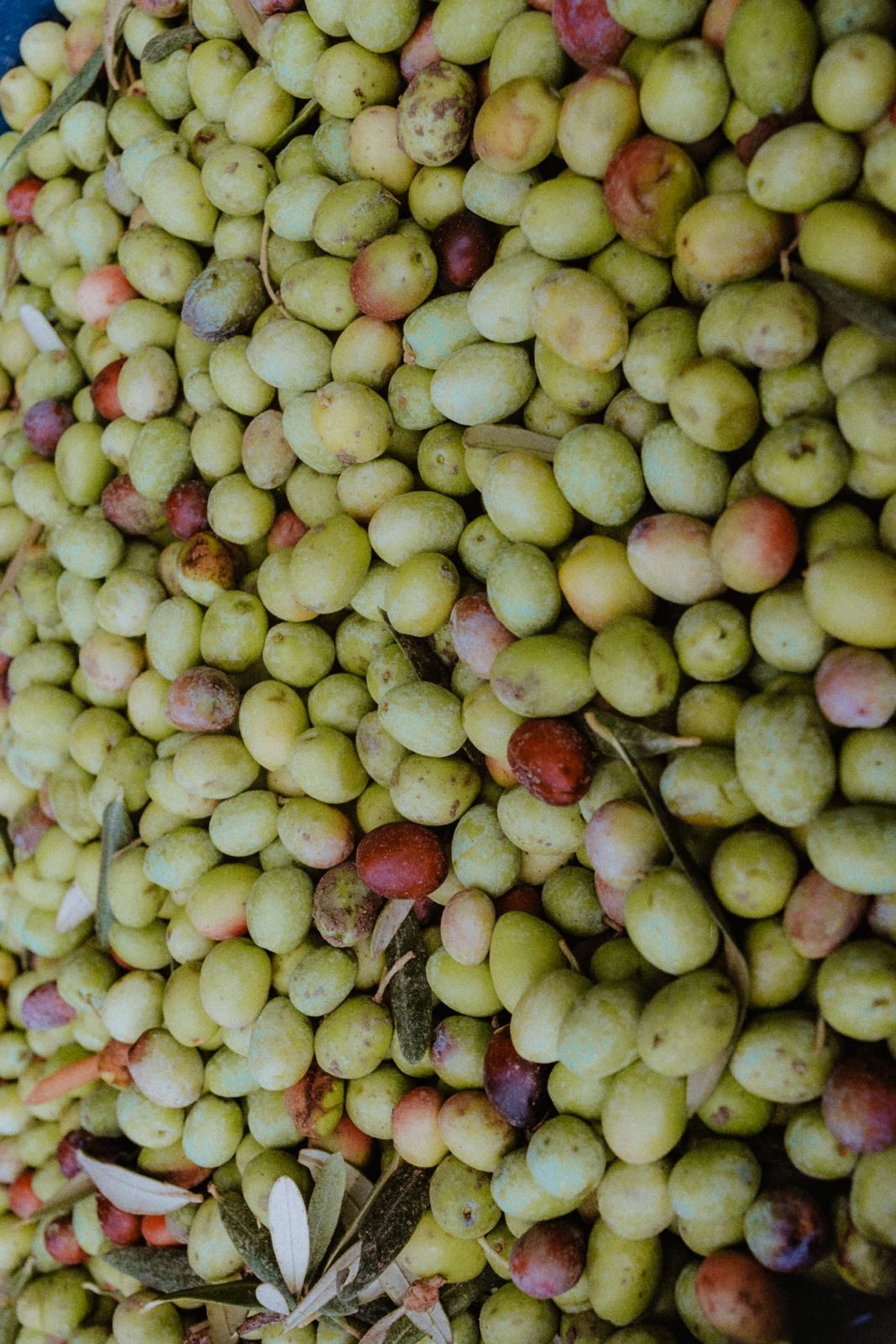
We pick when the fruit is green and press the same day, so the oil keeps what the tree put into it.
Our Craft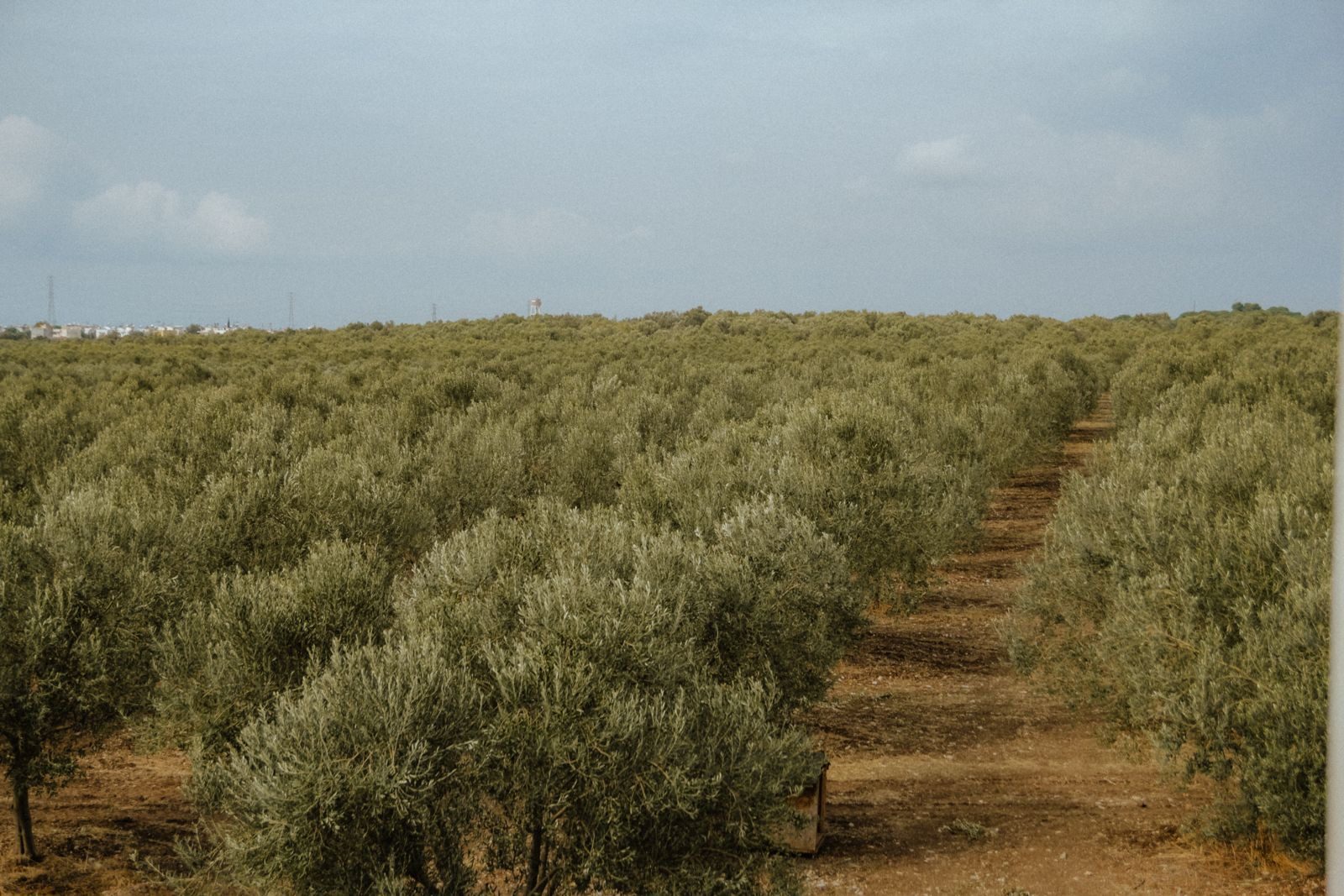
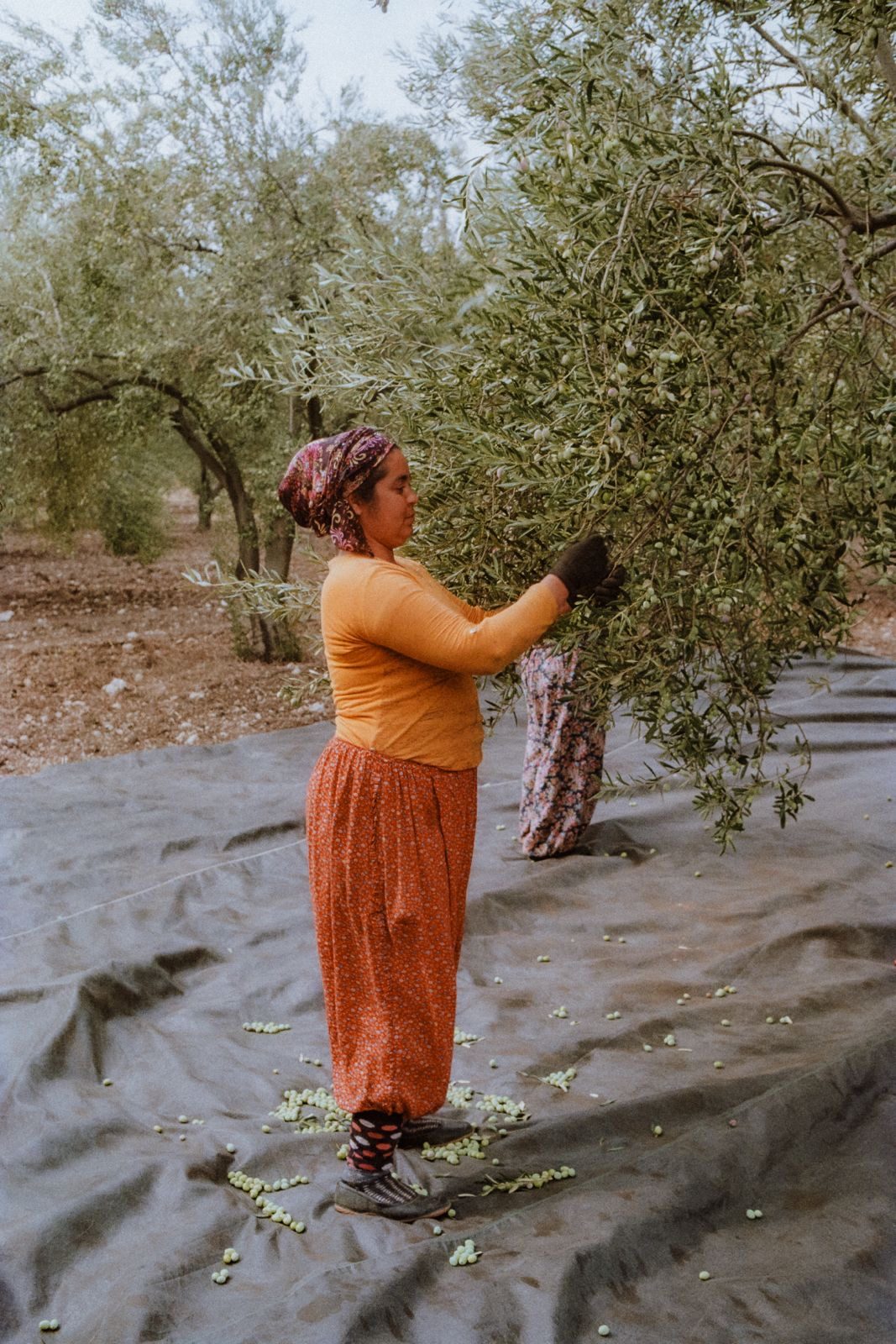
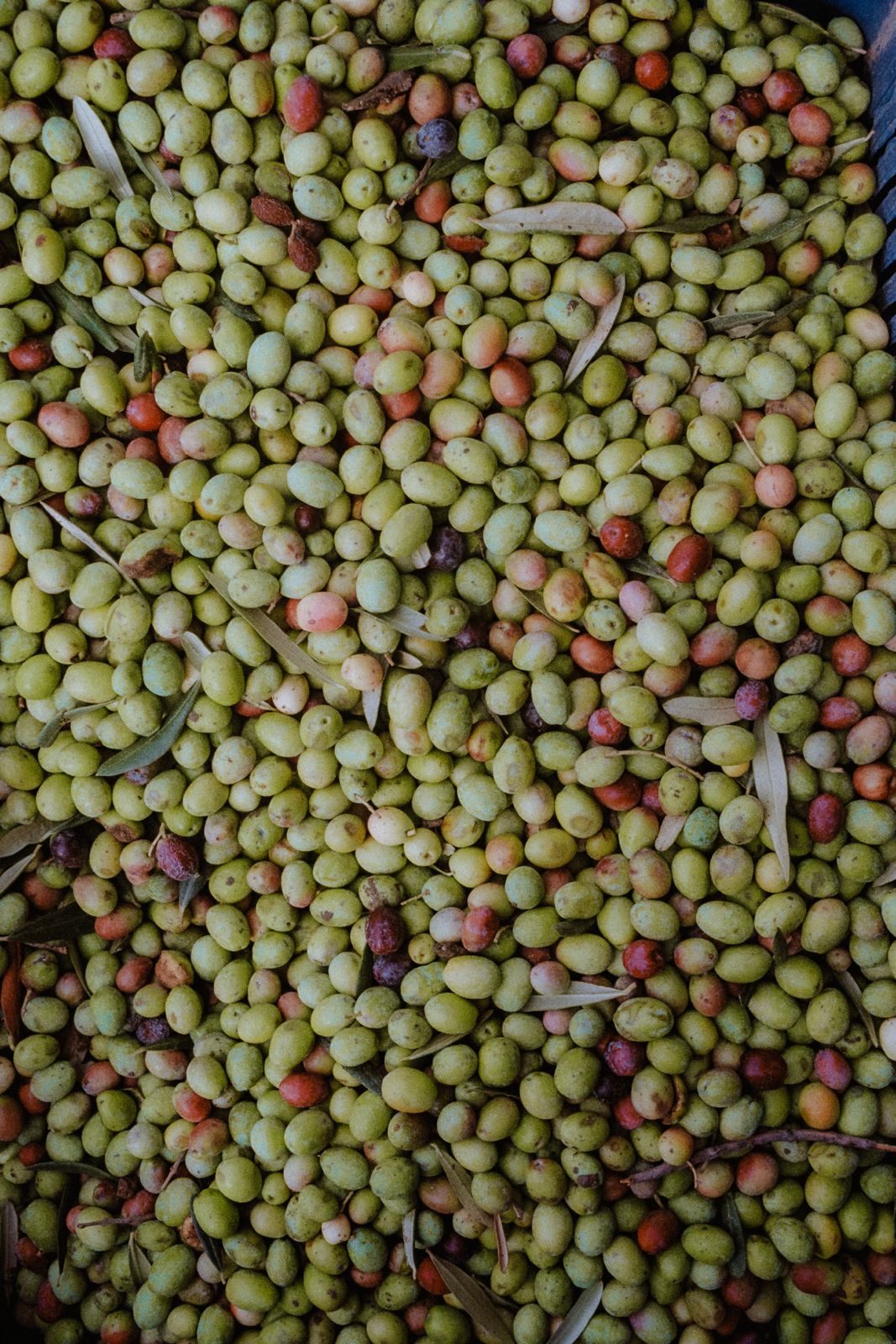

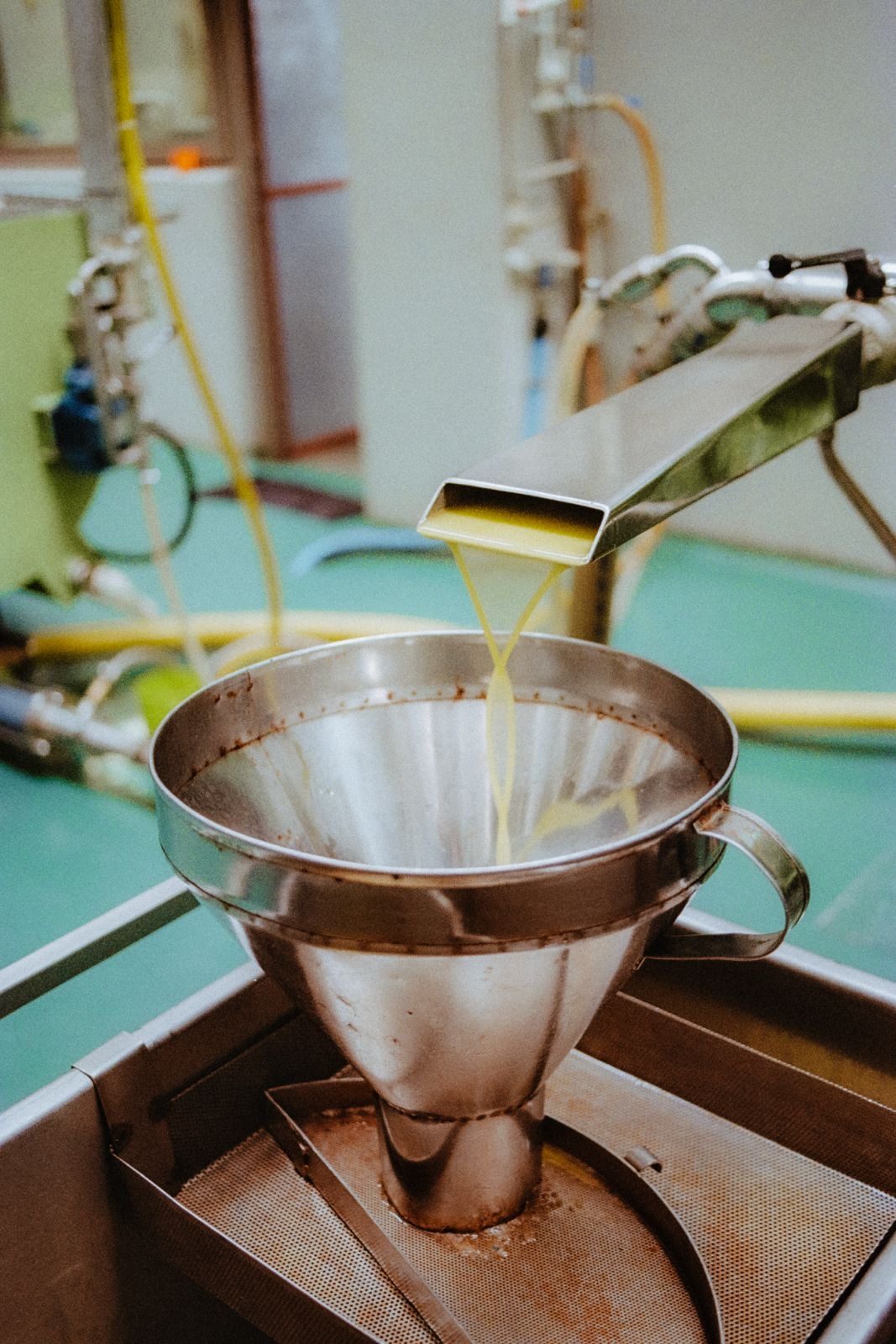
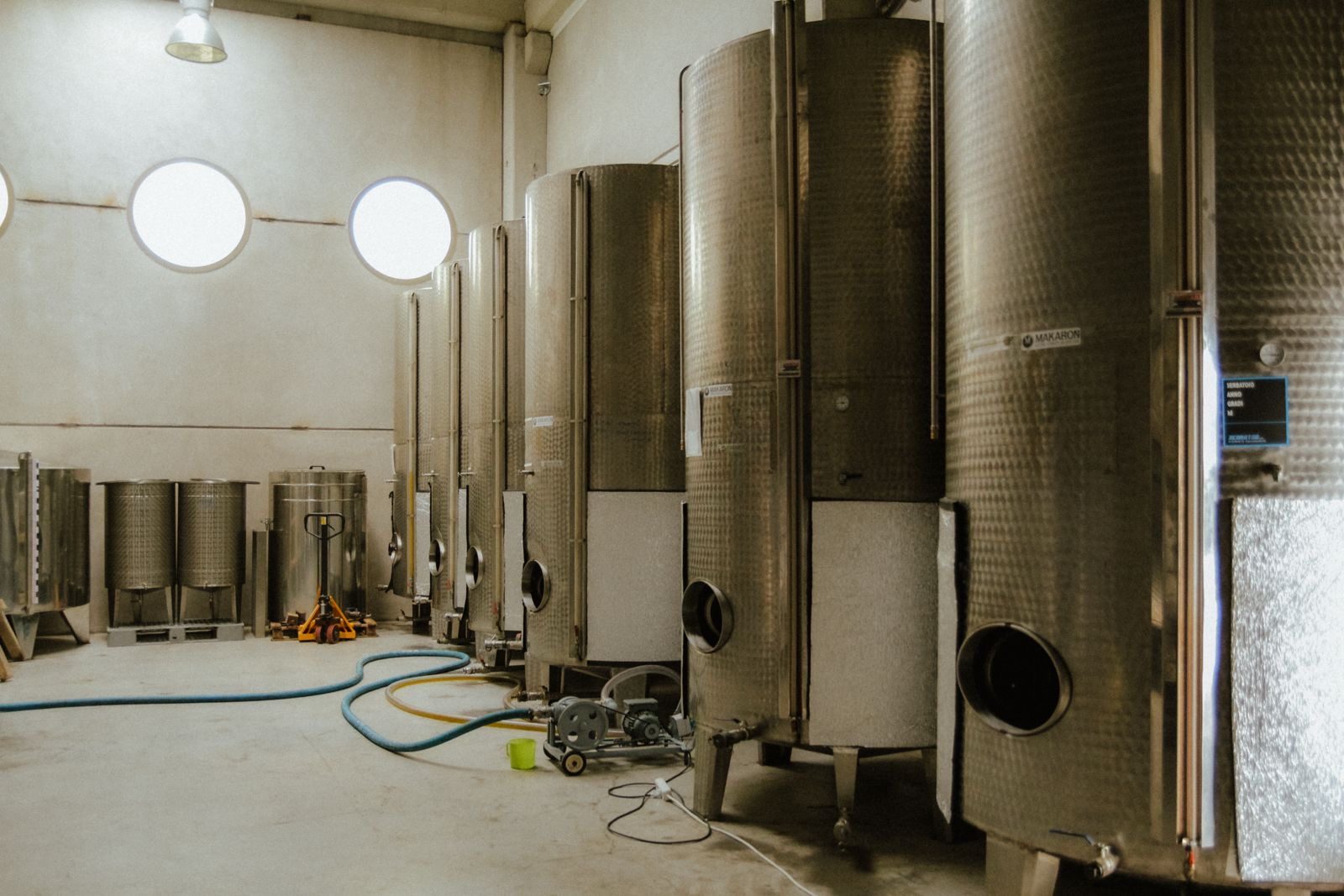
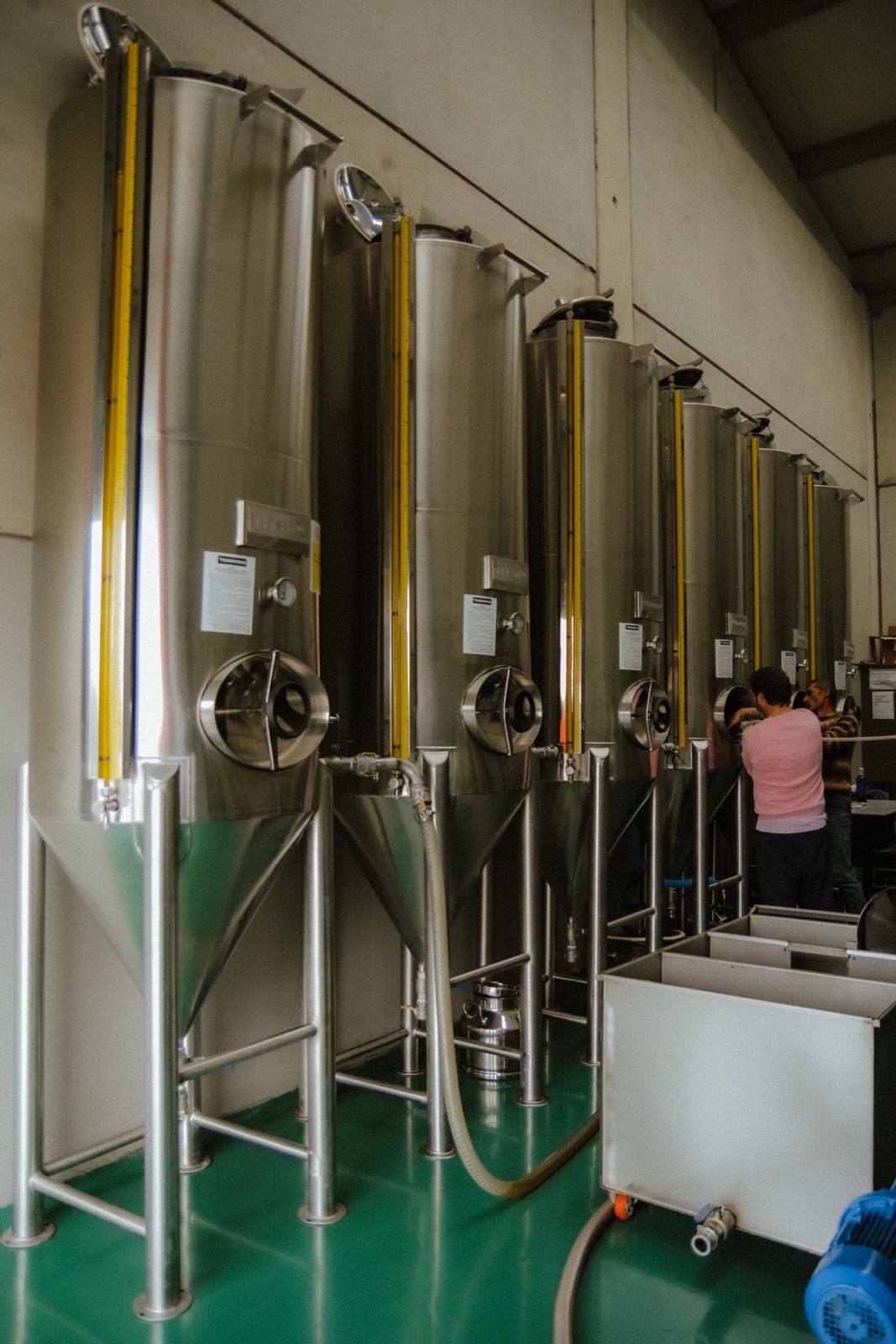

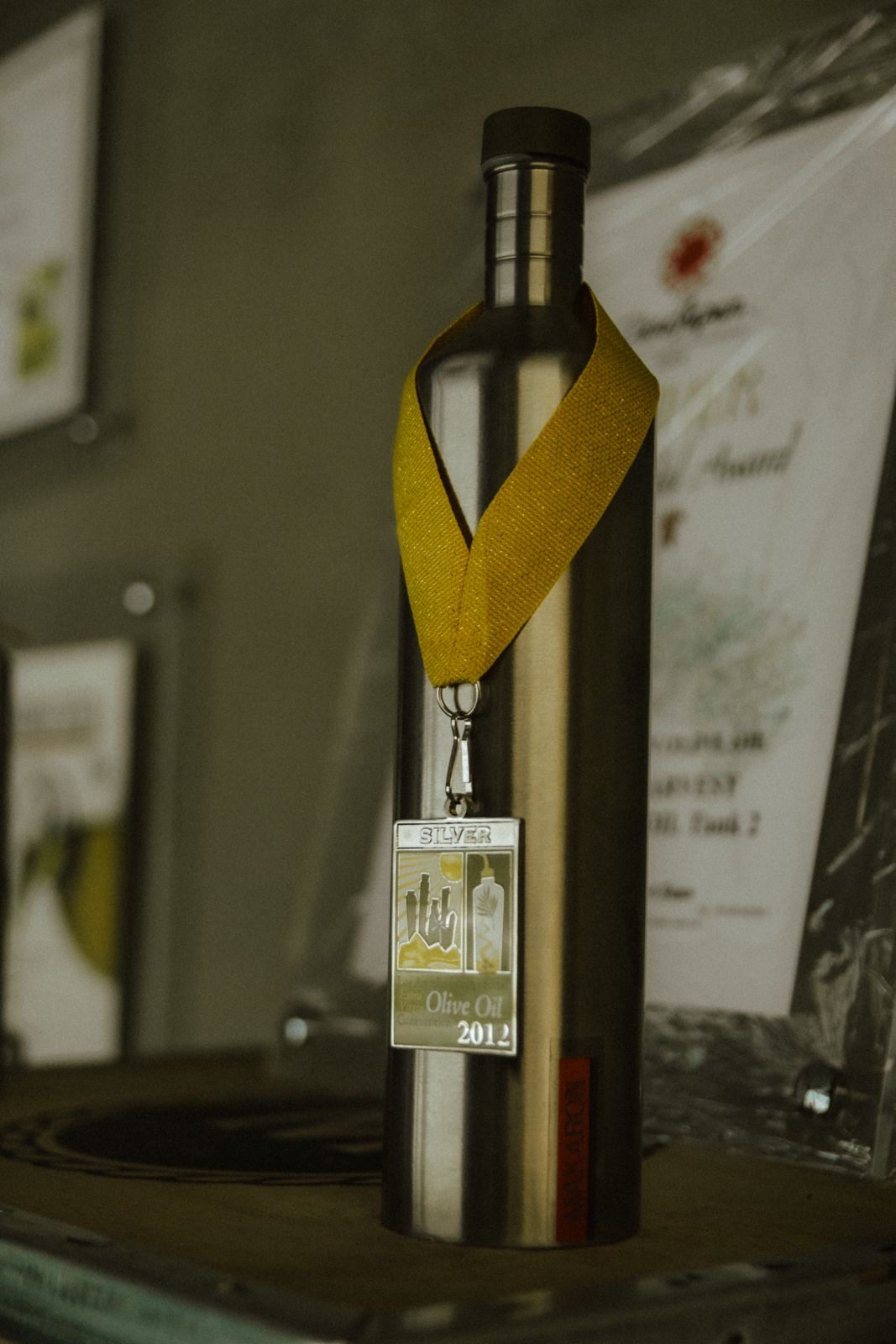
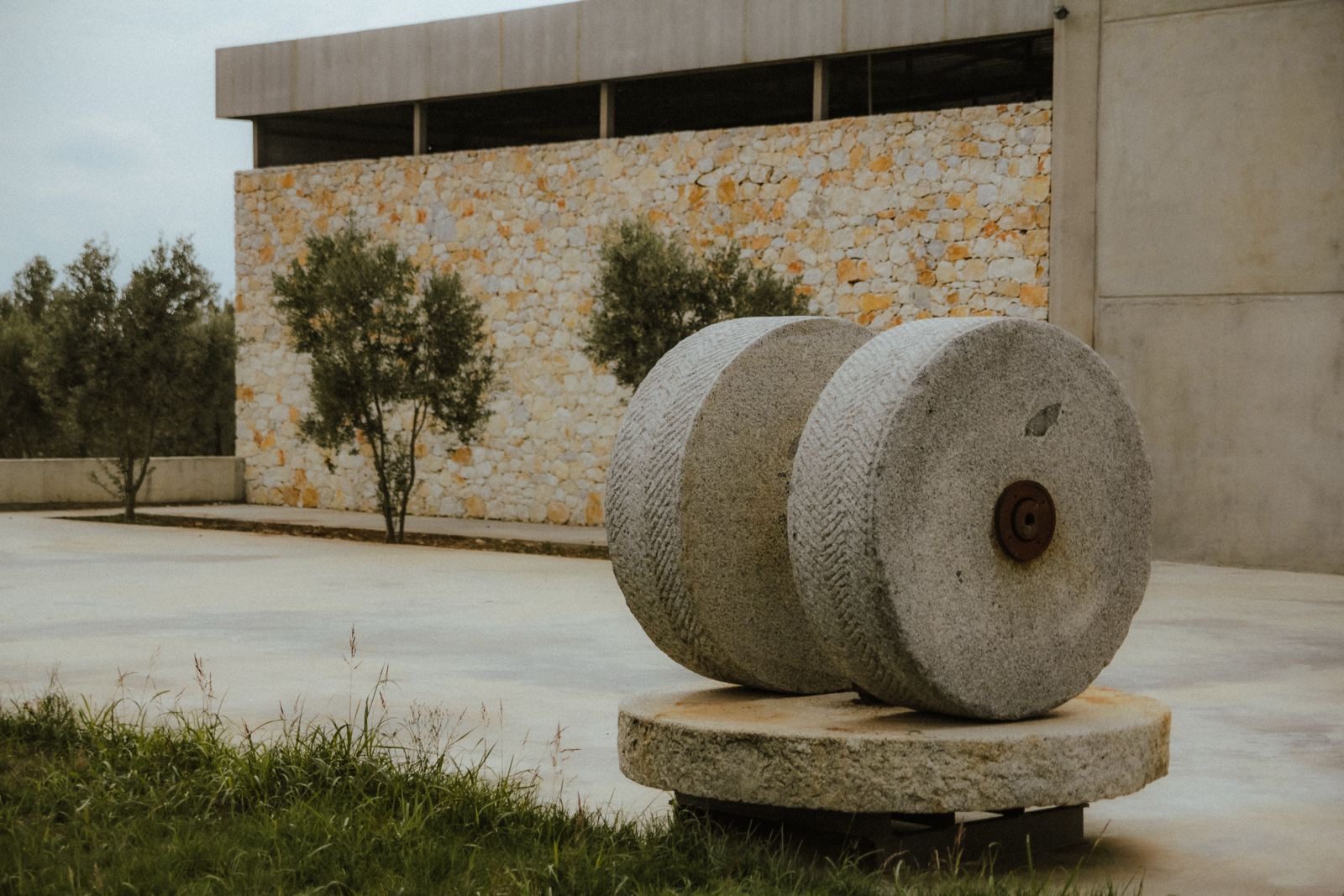
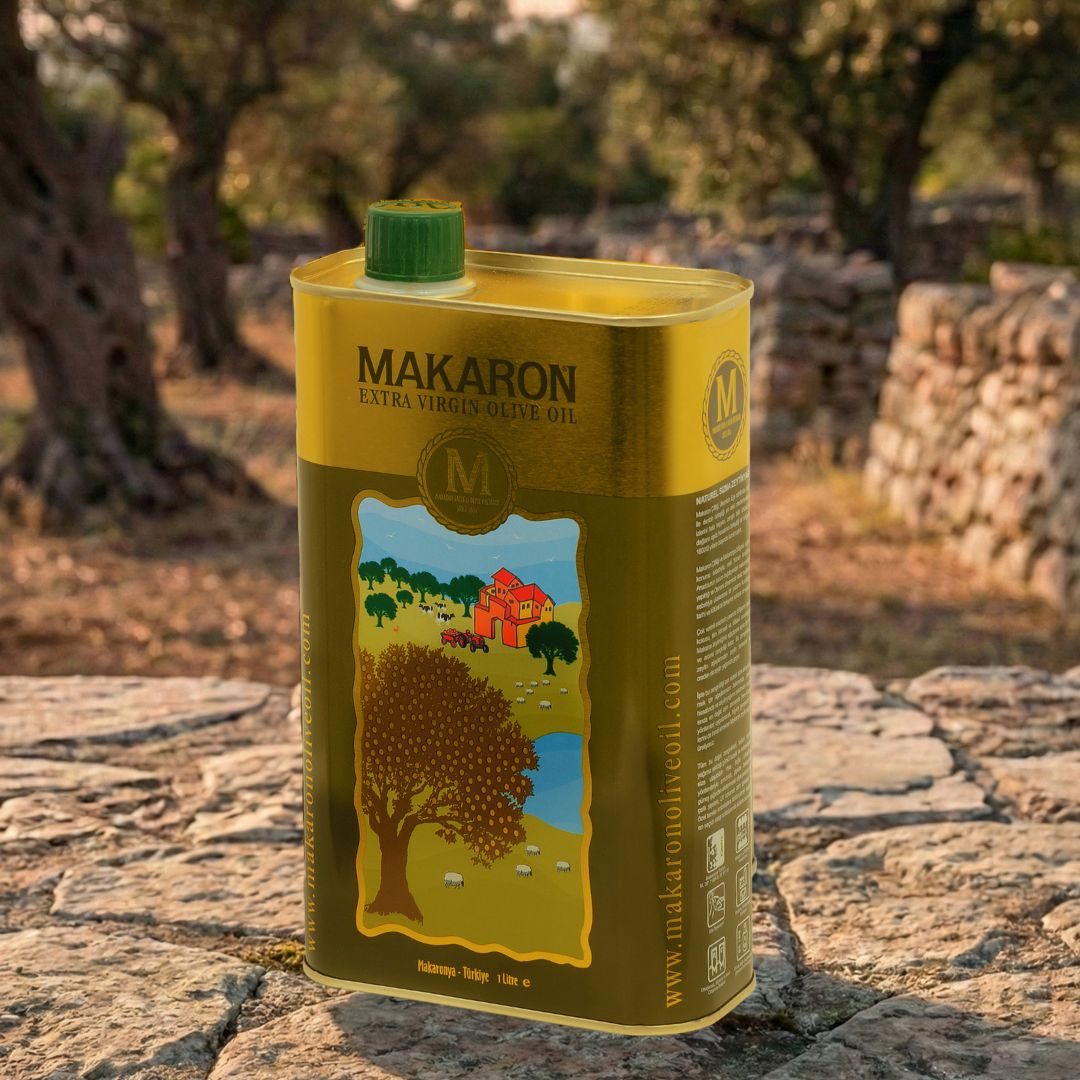
Tree to tinin a single day
Every olive in our tins grew on our own trees on the Edremit coast. We pick by hand while the fruit is still green, extract it cold within hours, and send every lot to the lab before it is sealed.
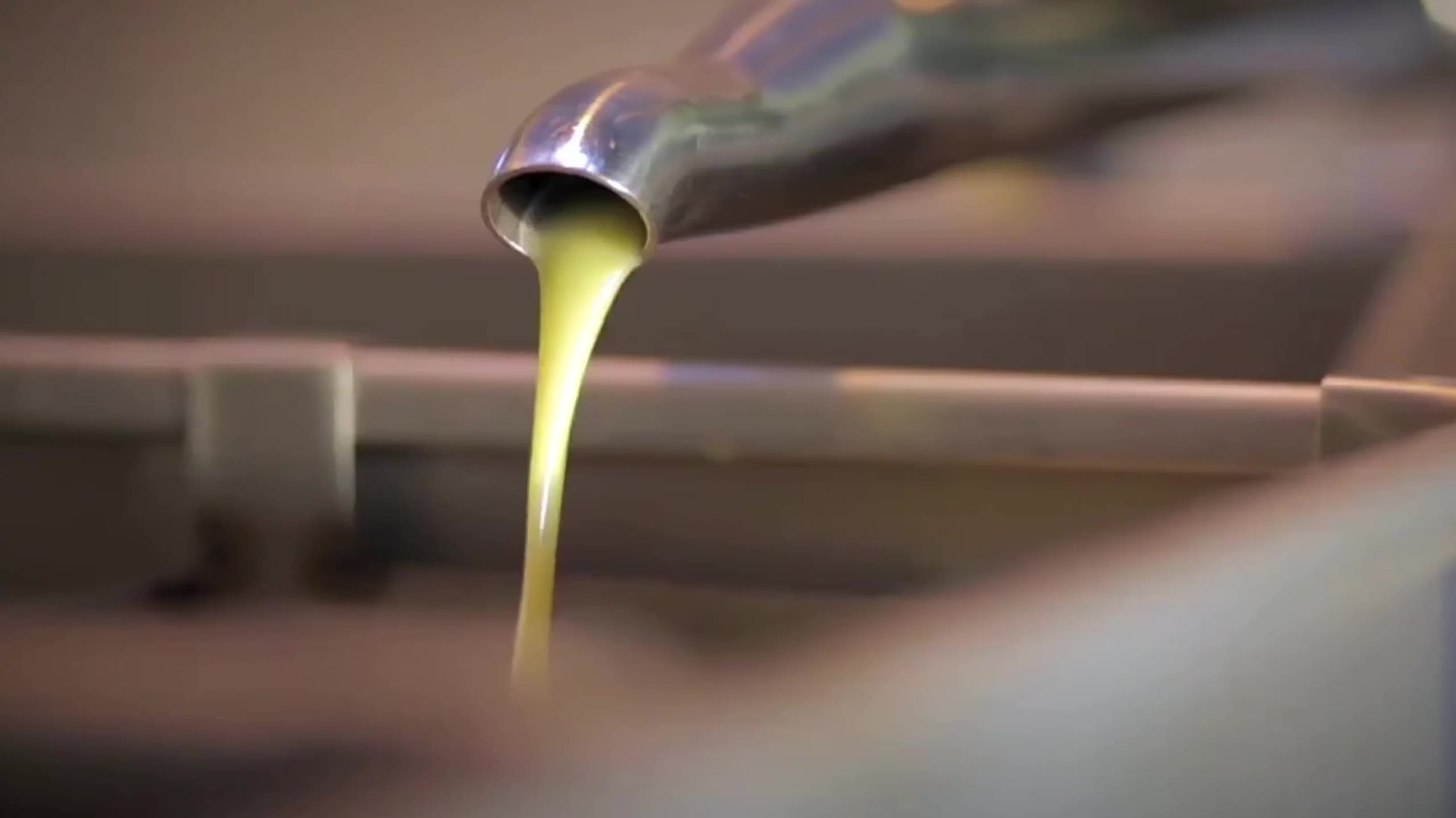
The grovetastes like this
In every tin
Earlyharvest
<0.8%free acidity
452mg/kg polyphenols
<27°Ccold extraction
Shop · this year's pressing
Take the grovehome
One pressing, four ways to keep it. Every tin is light-proof and carries the lot number of the certificate it was tested under.
Picked green Extracted cold
DiscoverOur craft ↓
Grown, early harvested, cold extracted and tinned — all in one place.
Minimum intervention, maximum of what the fruit carried off the tree.
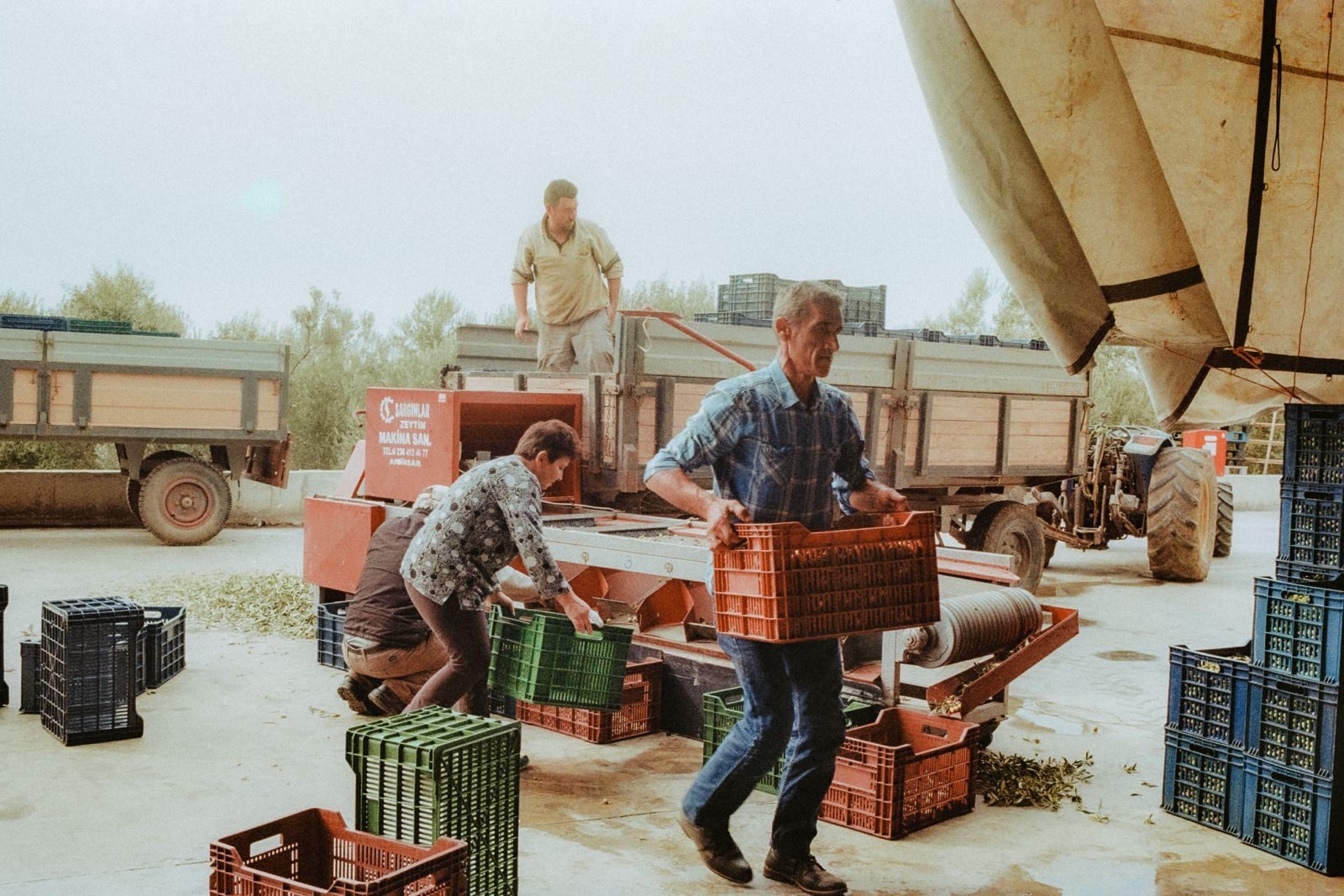
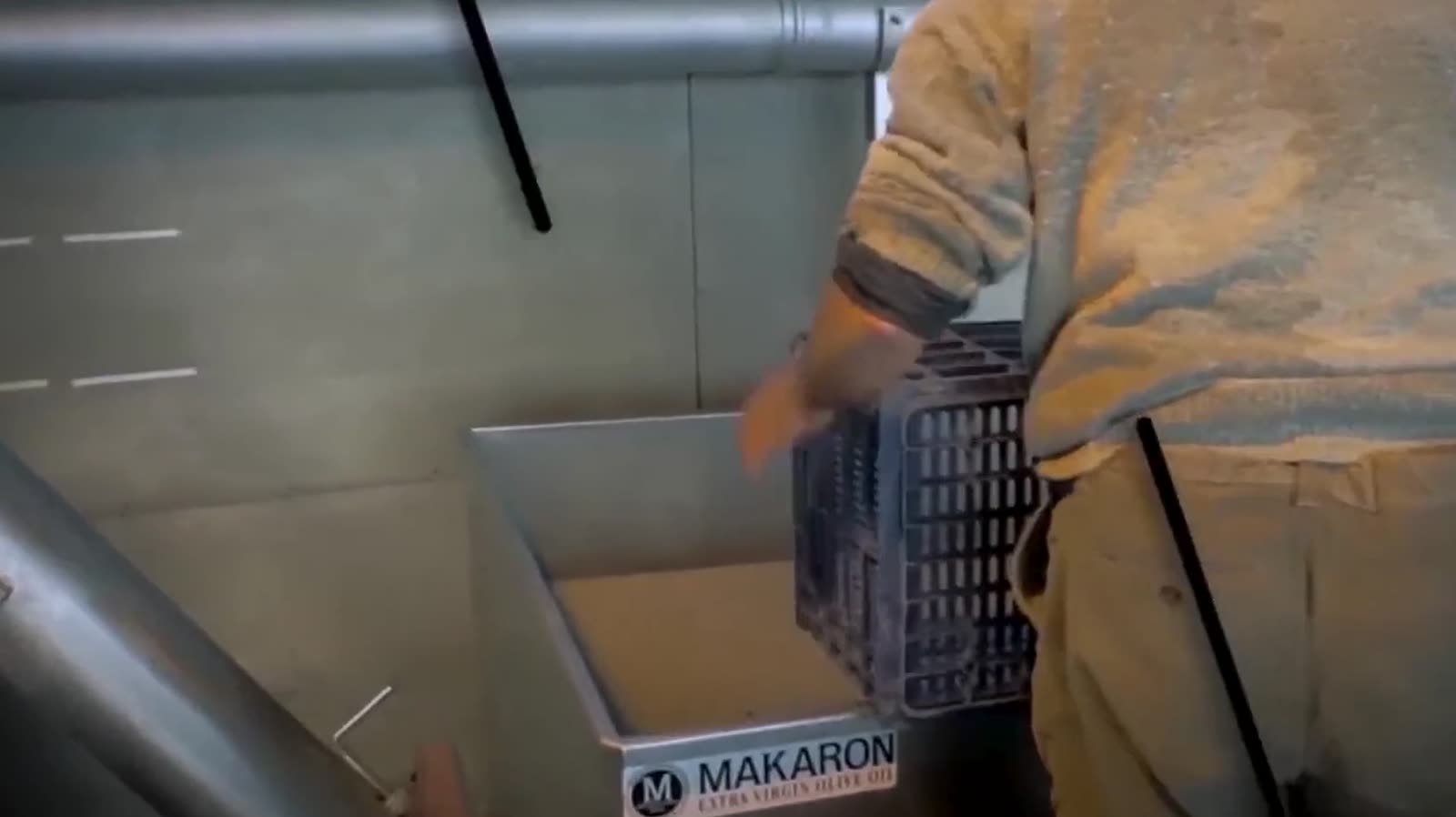
We pick olives while still green, when their polyphenols are at their peak.
Early fruit yields less oil — roughly a litre from twelve to fifteen kilos — but far more of what matters. Baskets reach the mill the same day, before the fruit can warm or bruise.
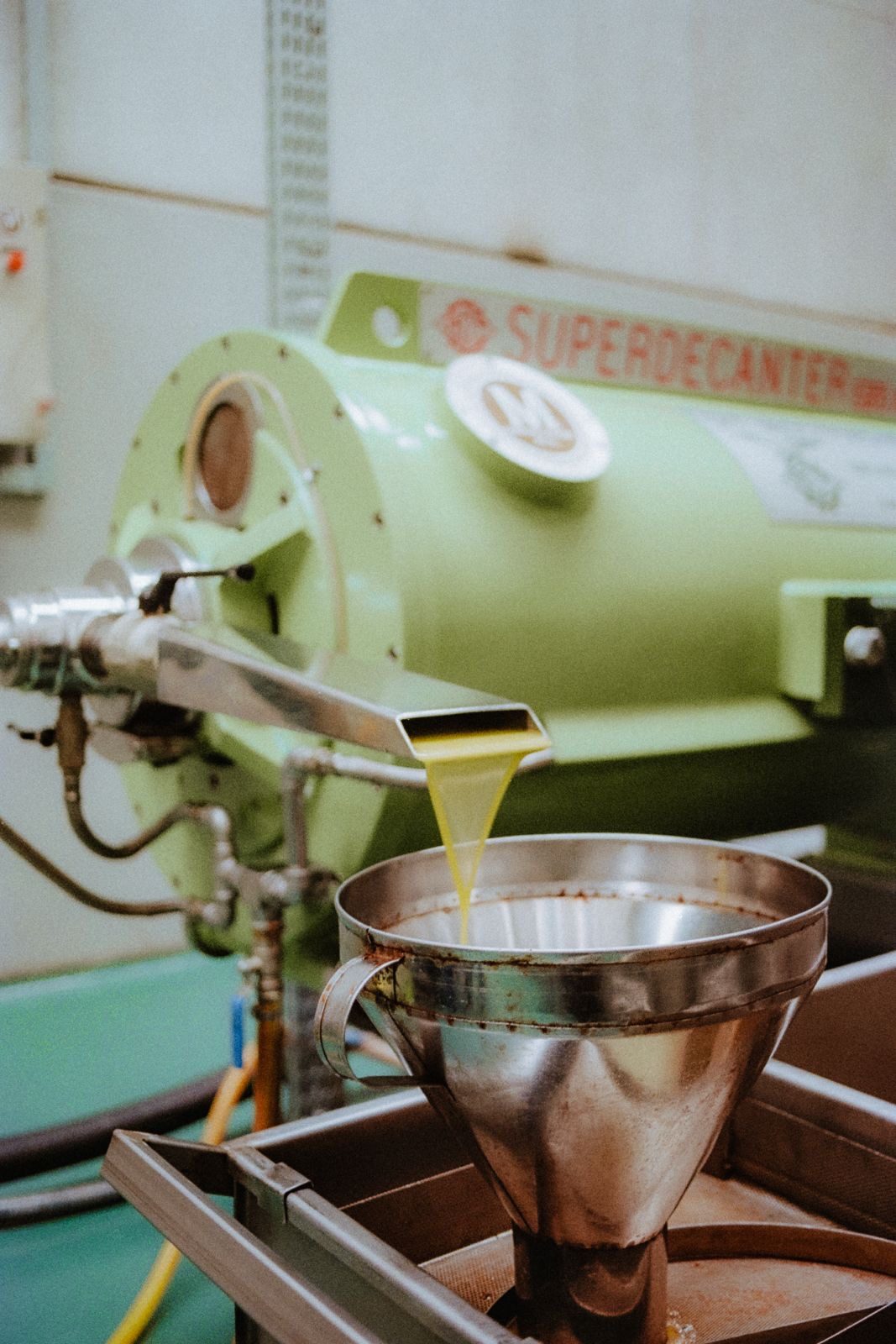
Cold extraction below 27°C, so aroma and nutrients survive the mill.
A Neo-Classic system presses the fruit without warming it or adding water. Heat strips a green oil of its character, and water washes out its polyphenols; keeping both out of the process is what leaves the aroma and the peppery finish intact.
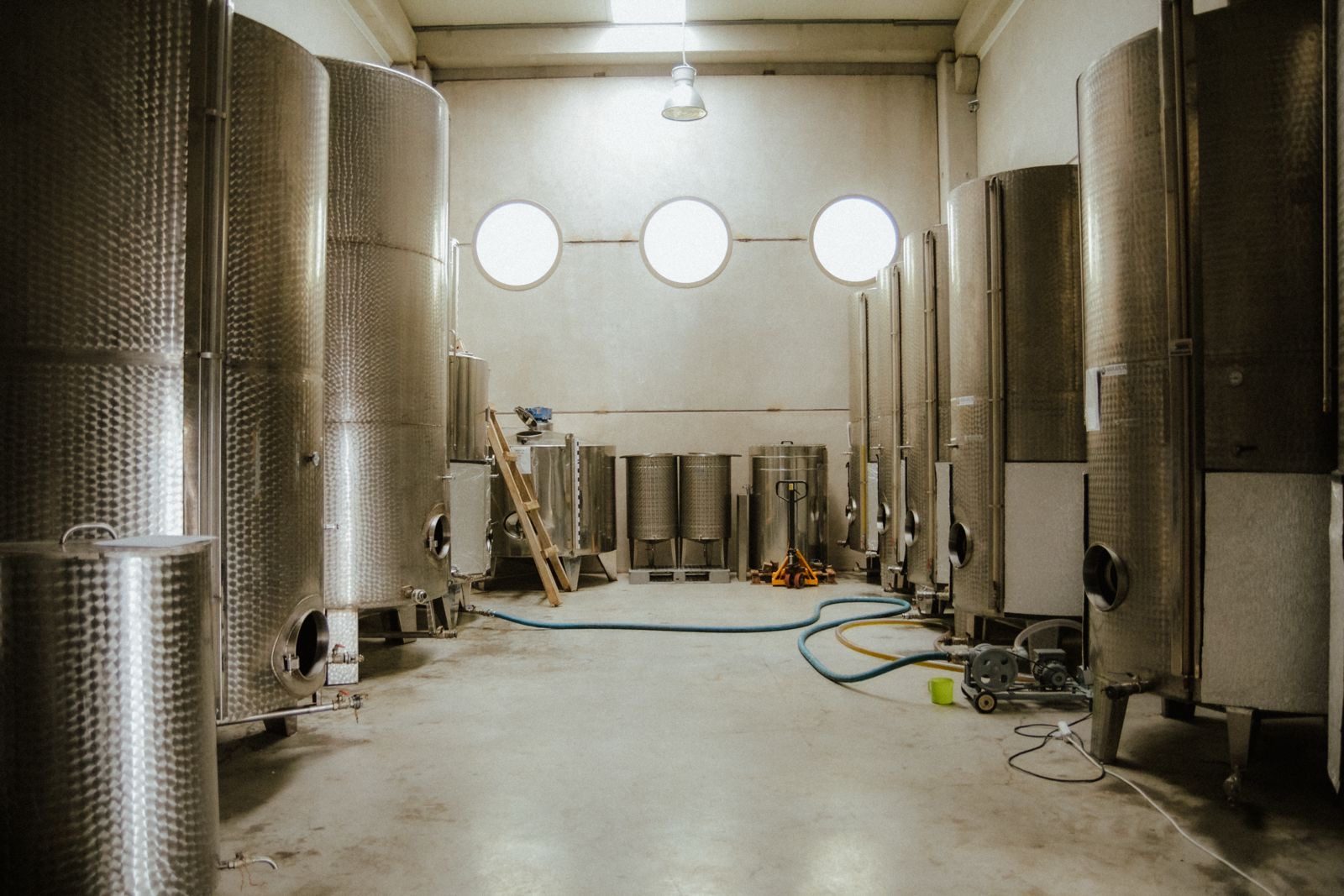
Every lot is lab-tested before it fills a tin.
Acidity, peroxide and total phenols are measured for each pressing. The lot number on your tin matches the certificate, so the oil you pour is the oil we tested.
Real oil, real taste
One pressing, in the size you cook at. Light-proof tin keeps the polyphenols where they belong.
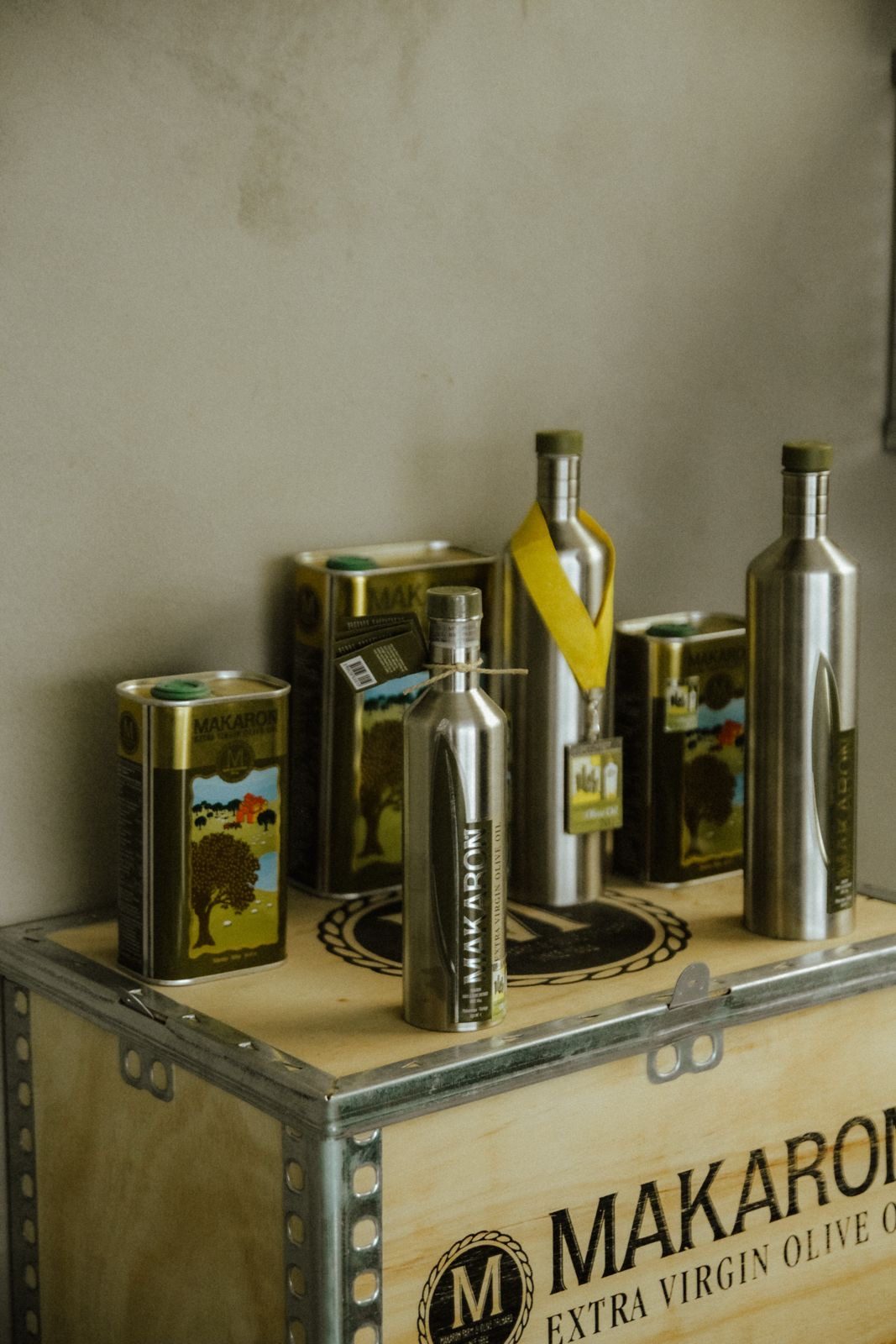
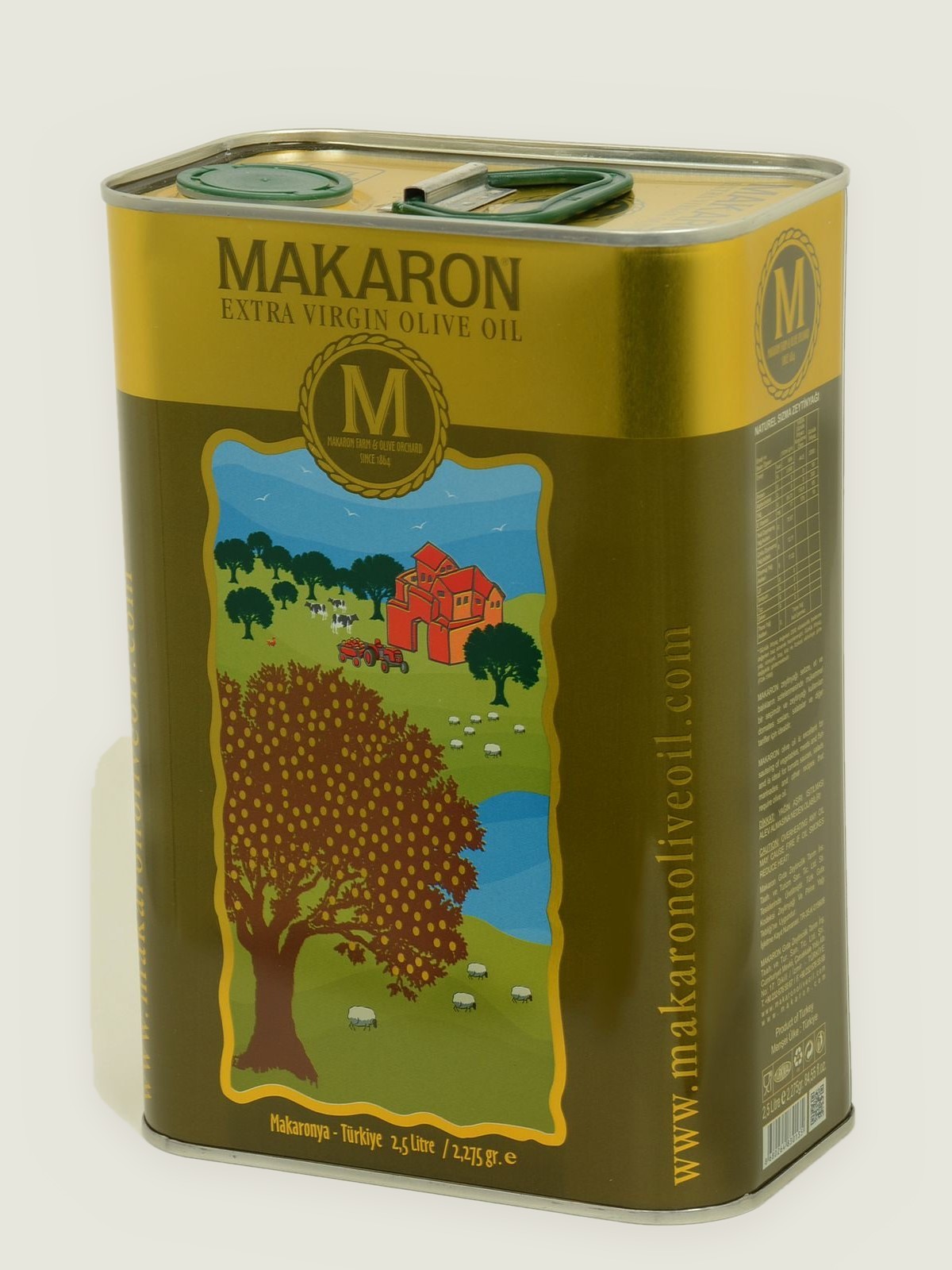
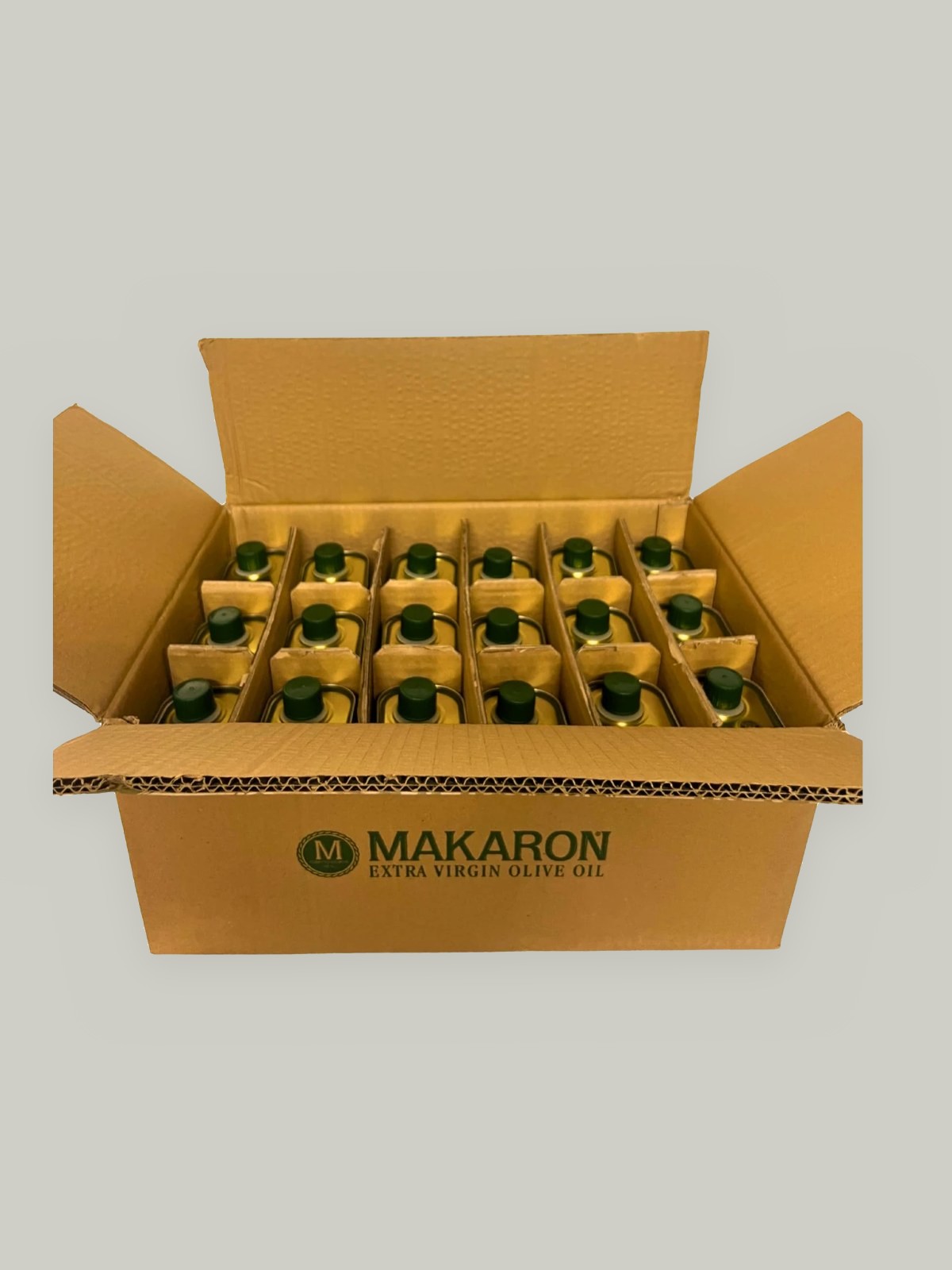
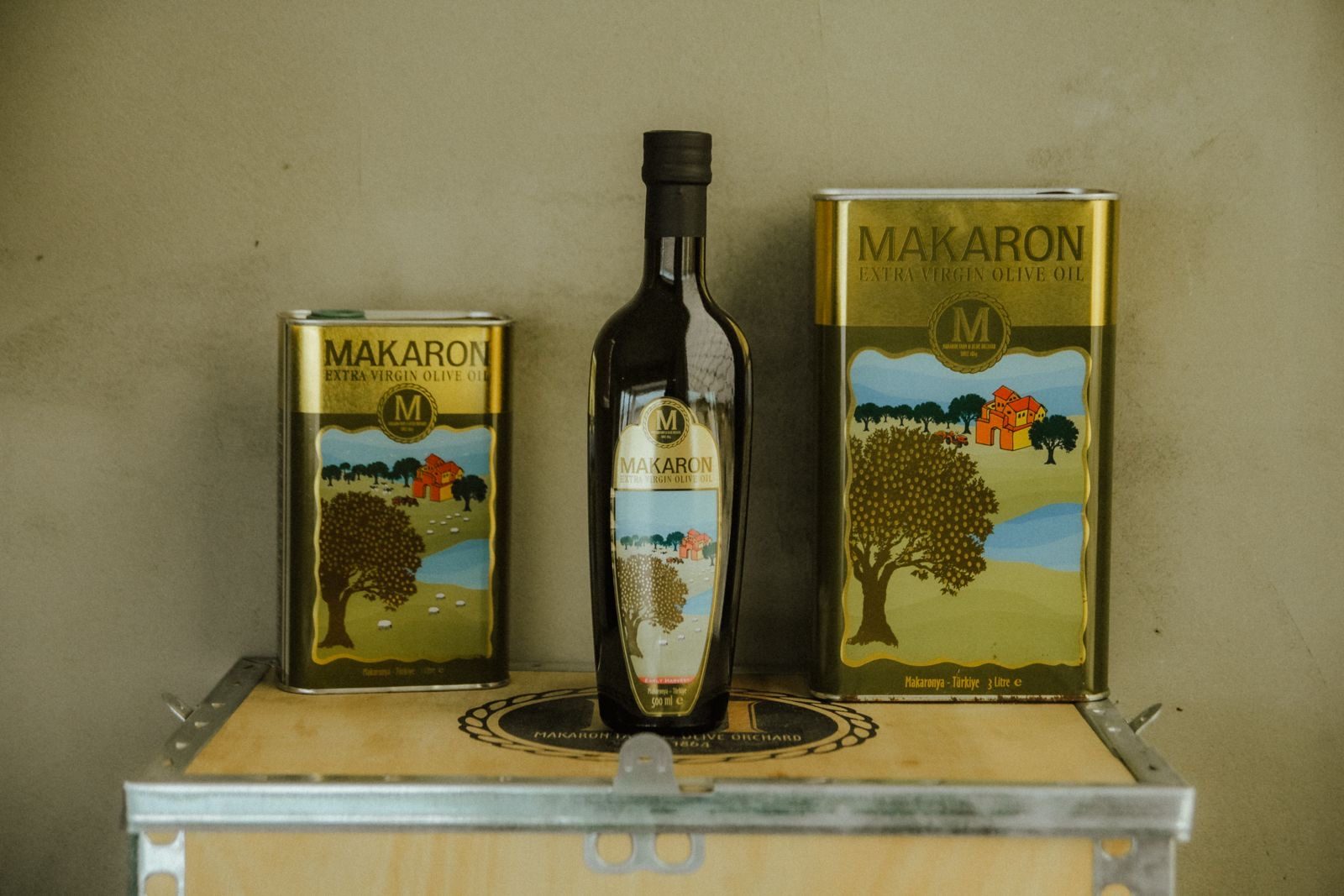
The 2026 early harvest
ShopOur oils ↓
The selection
Grassy and green, with artichoke, a lively edge and a peppery finish. Same single-origin lot in every size.
Certificate of analysis
Lot M-2026-07
Free acidity (oleic)<0.8 %
Total polyphenols452 mg/kg
Peroxide value6.1 meq O₂/kg
Olive varietyEdremit · 100%
Harvest windowOctober 2026
ExtractionCold · <27°C
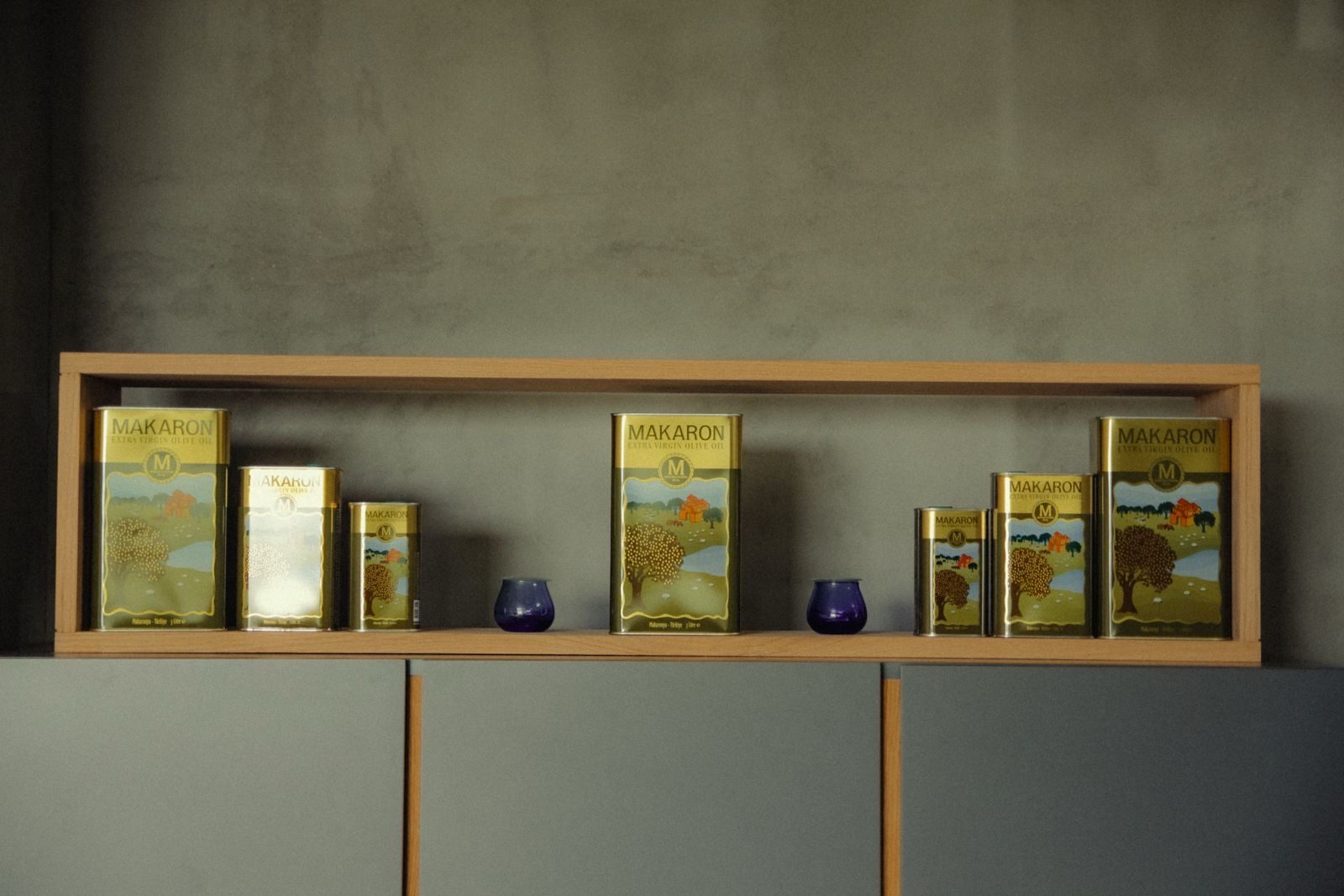
A green oilwants tasting
ExploreIn the kitchen ↓
Use it where you will taste it.
Raw over food is where the peppery finish and the polyphenols show.
“The peppery catch at the back of the throat is the point, not a flaw.”
On tasting early-harvest oilAt the table
One oil that carries a whole kitchen — from the first spoonful at breakfast to the last thread off the heat.
- 01Raw & finishing — over tomatoes, white cheese and warm bread, or across grilled fish.
- 02Salads — whisk with lemon and salt; the peppery finish does the rest.
- 03Cooking — stable for everyday heat; add the last spoonful off the flame.
- 04Storage — keep cool and dark; decant a smaller bottle for the counter.
Restaurants, delis and shops — ask about the catering case and standing orders.
Trade Enquiry
Why wekeep it small
DiscoverThe grove ↓
We choose accuracy over speed,
quality over quantity,
and one traceable grove over a lesser blend.
Grown in the right place, pressed at the right time, bottled with as little between tree and tin as we can manage.
The grove
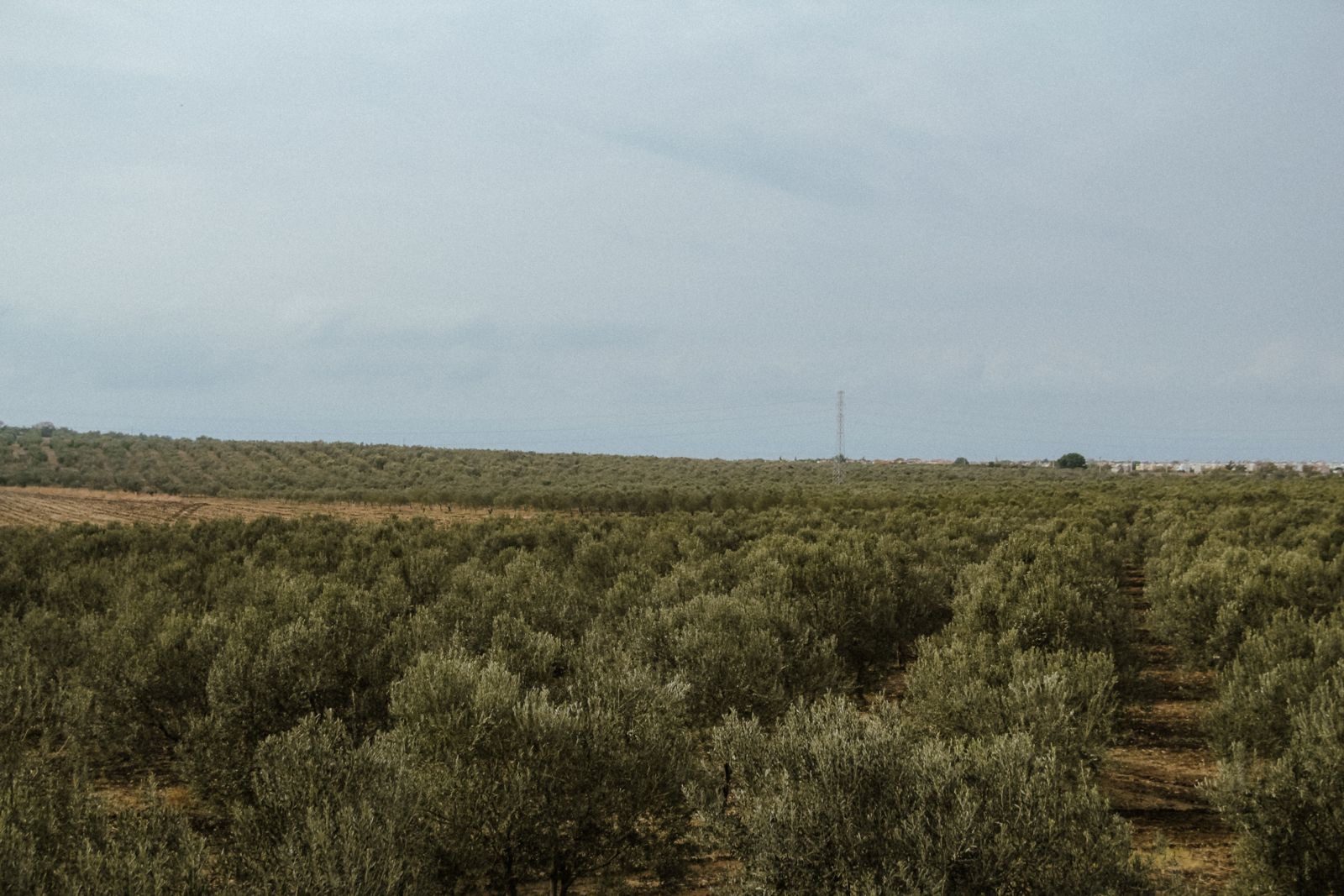
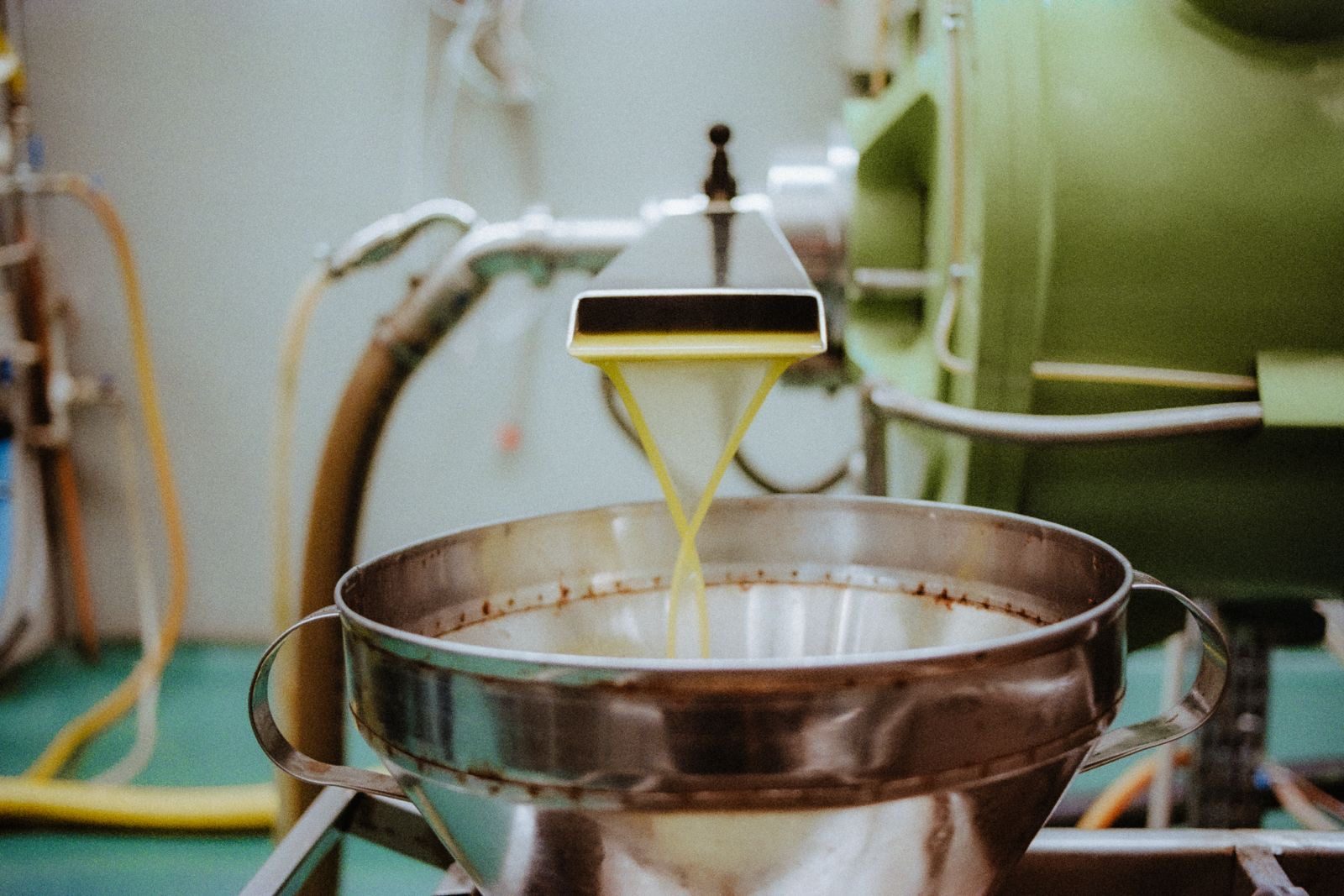
Our grove covers a hundred and twenty acres on the slopes between the Kozak mountains and the Edremit Gulf, and every tree on it is of the Edremit variety. Olives have been pressed on this land since 1864. The youngest of our trees are at least thirty years old, and we never bring in fruit from other sources.
FAQ
Olives picked while still green, before they ripen and darken. Green fruit holds the most polyphenols and gives an oil with more aroma, a livelier peppery finish and lower acidity — at the cost of a lower yield.
They are the antioxidants behind the peppery catch at the back of your throat. Anything above 350 mg/kg is considered high; this lot measures 452 mg/kg.
Cool, dark and sealed. Light is olive oil's enemy, which is why we fill light-proof tin rather than clear glass. Use within a year of opening.
Yes. The catering case holds six 2.5 L tins, with the same lot and certificate as every retail tin. Use the trade enquiry on the contact page for standing orders.
Journal
How to read an olive oil label — and the one word that predicts quality
Inside the 2026 pressing, week by week
Polyphenols, explained in a paragraph
Why we sell oil in tin, not glass
Acidity, and what the number really tells you
Early vs late harvest: a tasting
The Edremit olive, and why it suits this coast
How to read an olive oil label — and the one word that predicts quality
Start with the harvest, not the marketing
Most bottles lead with words that feel reassuring and mean very little on their own. “Natural,” “cold pressed,” even “extra virgin” describe a minimum standard, not the character of what is inside. The information that actually predicts how an oil tastes, and how good it is for you, is usually printed small, or not at all.
The single most useful thing to look for is a harvest date. Olive oil does not improve with age; it fades. An oil pressed from this season's fruit and stored away from light is worth more than one with a distant best-before date and no harvest date at all.
The two numbers that matter
If the producer prints them, free acidity and total polyphenols tell you most of the story. Free acidity below 0.8% is the legal ceiling for extra virgin; a genuinely early, carefully milled oil sits far lower. Polyphenols — the antioxidants responsible for the peppery finish — fade as fruit ripens, so a high figure is a sign the olives were picked green and pressed fast.
If a producer will print the numbers, they have usually earned the right to.
MakaronOrigin, in one place
Look for a single named origin — a region, ideally a grove — rather than “product of EU” or a list of countries. Blends assembled from several sources are not necessarily bad, but they cannot tell you when or how the fruit was picked, and the best lots are rarely sold that way.
A reputable producer can back their figures with a certificate of analysis tied to the lot number on the tin. That traceability — one grove, one pressing, one tested lot — is the difference between a label that reassures and a label that proves.
Polyphenols, explained in a paragraph
The paragraph
Polyphenols are a family of natural antioxidants the olive tree makes to protect its fruit. In the oil they show up as a green grip on the tongue and a peppery catch at the back of the throat — oleocanthal, oleacein, oleuropein and hydroxytyrosol are the ones most often measured. They are at their highest in green, unripe fruit and fall steadily as the olive darkens, and again with every day the oil spends warm, bright or open. An oil with a strong, clean peppery finish is therefore an oil that was picked early, milled quickly and kept well. That is the whole idea.
Why we chase them
Everything else about our method follows from that paragraph. We pick while the fruit is still green, because that is when the polyphenols peak. We accept the lower yield that comes with it. We press below 27°C, because heat strips them out. We put the oil in tin, because light does the same. None of this is a style choice; it is simply what keeps the compounds in the oil long enough to reach your kitchen.
The green edge and the peppery finish are not defects to be softened. They are the evidence.
MakaronWhat the numbers mean
Total polyphenols are reported in milligrams per kilogram. Many supermarket oils fall well under 200 mg/kg by the time they are sold; the European health claim for olive oil polyphenols requires at least 5 mg of hydroxytyrosol and its derivatives per 20 g of oil, which works out at 250 mg/kg. Early-harvest oils from healthy groves can sit comfortably above that. Every Makaron lot is tested, and the figure travels with the lot number on the tin.
How to taste for them
Warm a small glass of oil in your hands, cover it, then uncover and smell: grass, artichoke, tomato leaf. Take a little into your mouth with air, as you would a wine. A green, grassy grip arrives first, on the tongue. Then the peppery catch — and, with a young, high-phenol oil, a cough. Nobody has ever been sorry about the cough.
Why we sell oil in tin, not glass
The enemies are light, air and heat
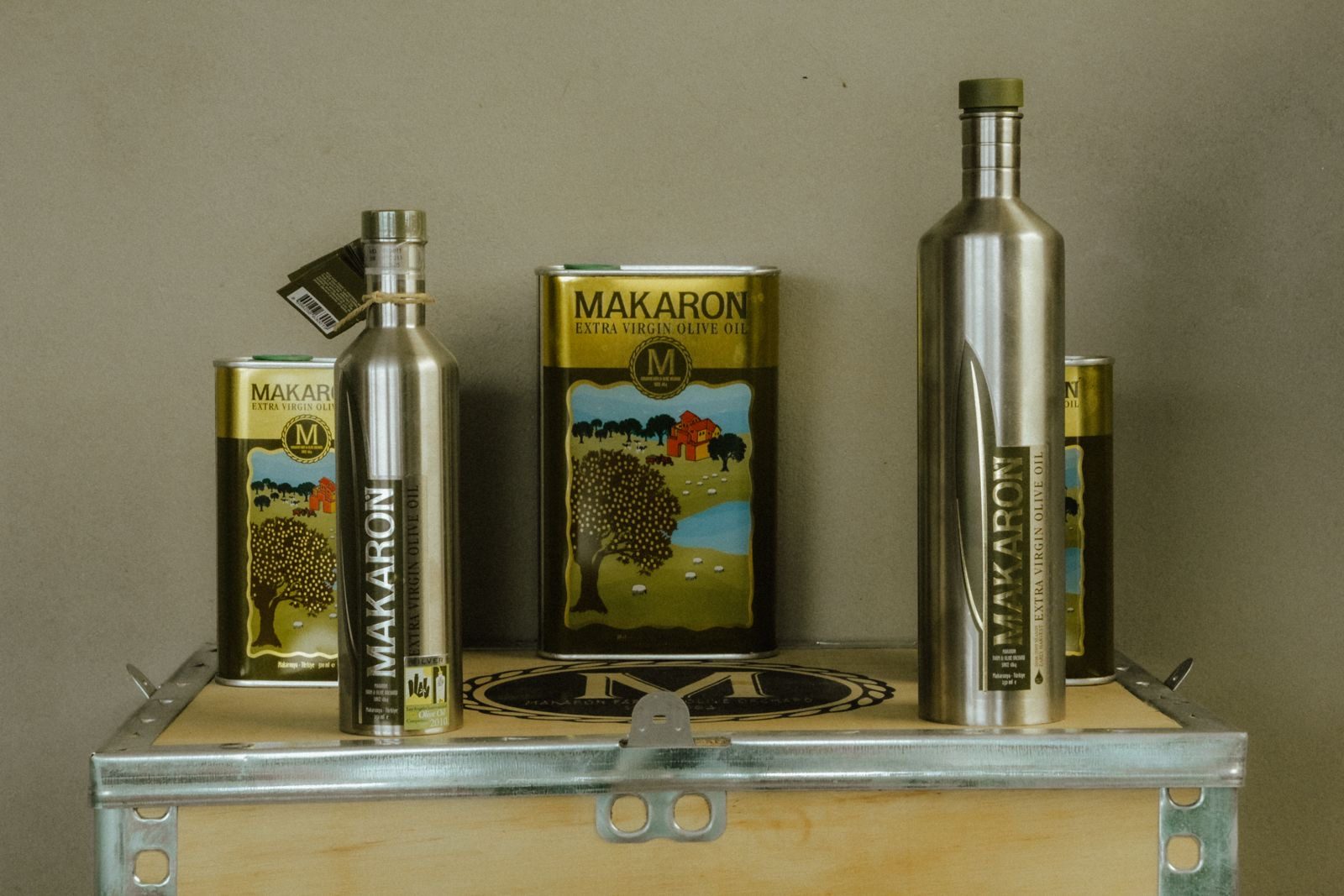
Olive oil is a fresh product. It does not spoil the way milk does, but it declines — the aromas flatten, the peppery finish softens, and eventually it turns flat and waxy. Three things drive that decline: light, which breaks down the chlorophyll and the polyphenols; oxygen, which oxidises the fats; and heat, which accelerates both. A clear glass bottle on a shelf under shop lighting is the worst place an oil can be.
What tin does
A tin is opaque. Not tinted, not dark — opaque. No light reaches the oil from the moment it is filled until the moment you pour it. The walls are thin, so the oil does not hold heat the way a thick bottle does, and the tin itself is light enough that a 2.5 litre size is practical to ship and to lift. It will not break in the post, and it does not need the bubble wrap that glass does.
Glass is for showing an oil. Tin is for keeping one.
MakaronKeeping it at home
Store the tin in a cupboard, away from the hob and the oven. Close it after each use. An opened tin will keep its character for several months; a sealed one, kept cool, considerably longer. If you buy the larger size, decant a week or two's worth into a smaller dark bottle for the table and leave the rest sealed — which is exactly why our gift set pairs a 2.5 litre tin with a refillable bottle.
One last thing: do not refrigerate it. The cold makes the oil cloud and thicken, and the condensation that forms each time it is taken out does more harm than the cupboard ever would.
Inside the 2026 pressing, week by week
Week one — the lower slopes
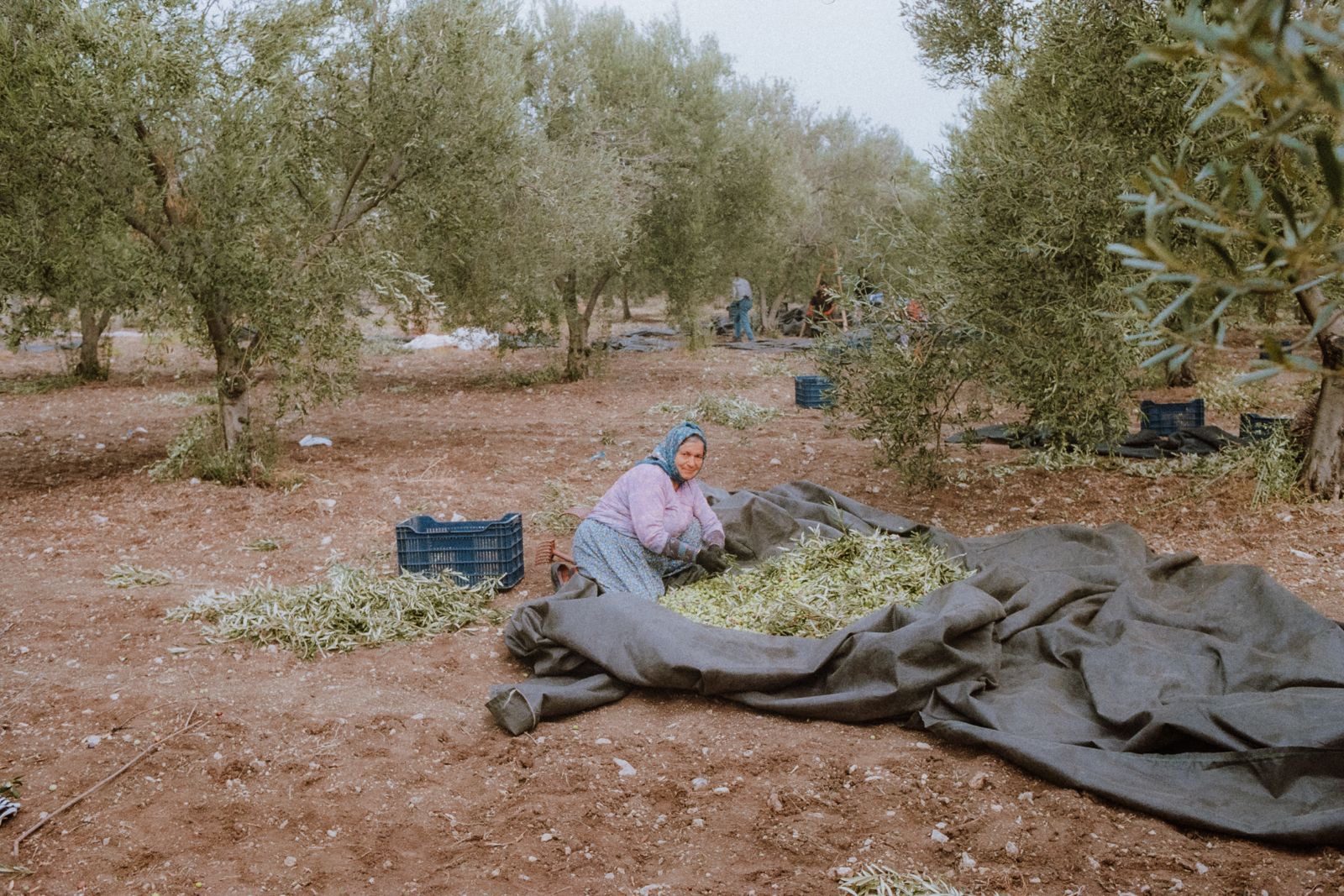
The harvest opened in the first week of October, on the lower terraces nearest the gulf where the fruit ripens earliest. The olives were still firmly green, a few just beginning to turn at the shoulder, which is exactly the point we want them. Nets down in the morning, fruit stripped by hand and with small rakes, crates loaded by early afternoon and at the mill before the heat of the day had gone out of them. Nothing stays overnight.
Week two — first oil
The first lot came off the press mid-month. Leaves blown off, fruit washed, crushed, and the paste worked gently and cold — never above 27°C — before the oil is separated. The first taste is always the same shock: electric green, artichoke and cut grass on the nose, a green grip on the tongue, and a peppery catch that makes everyone in the mill cough. A sample from the lot went to the laboratory the same day.
The best oil of the year is usually the one that made the mill cough hardest.
MakaronWeek three — up the hill
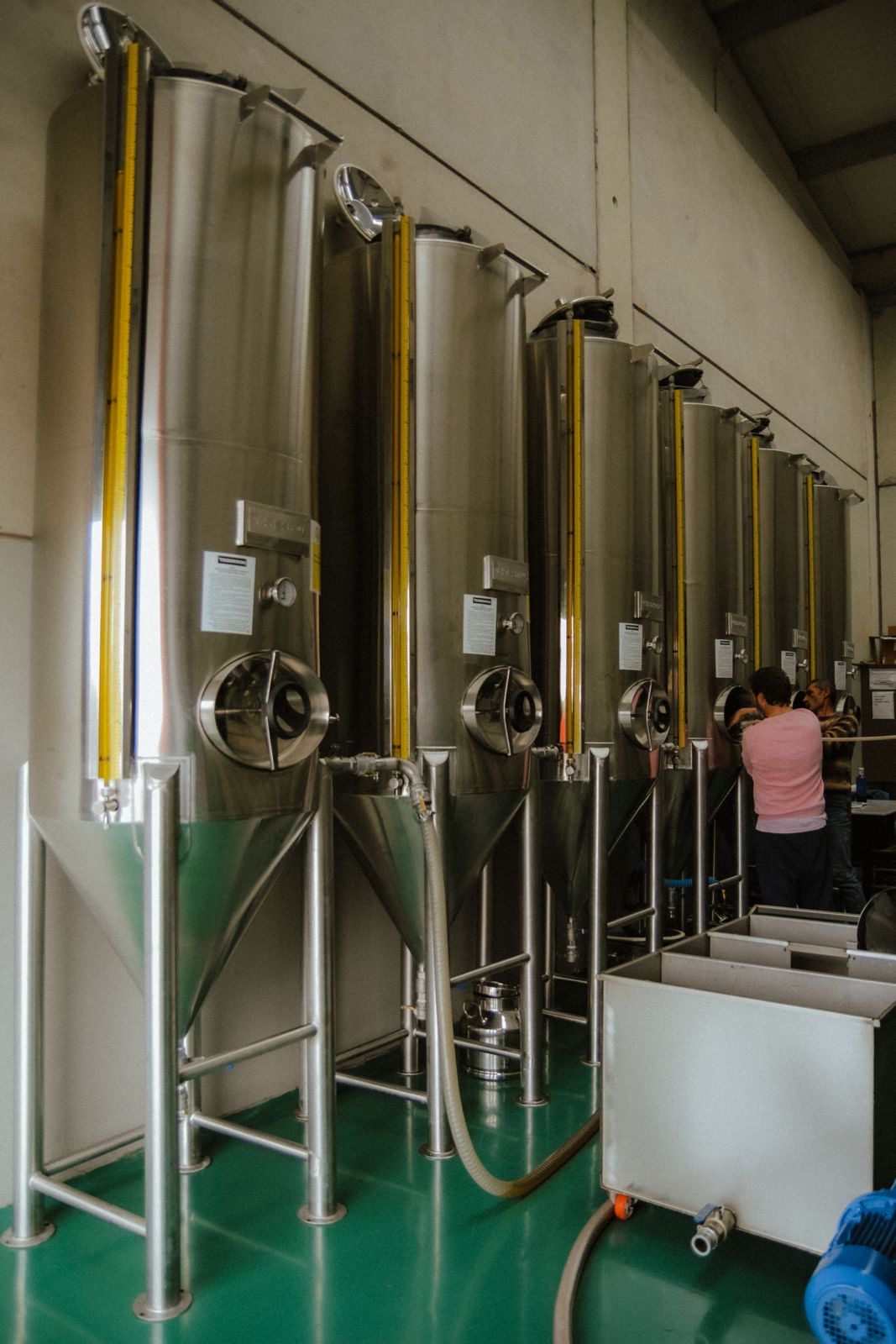
Picking moved to the higher ground beneath the Kozak mountains, where the nights are cooler and the fruit ripens a week or two behind. The oil from these trees is leaner and more peppery than the first lot; blended within the same pressing, the two balance each other. The early lots settled in the steel tanks, in the dark, with the fine sediment dropping out of their own accord.
Week four — into tin
With the laboratory results back and within our own limits, the first lot was racked off its sediment and the filling line started. Each tin carries the lot number of the pressing it came from, so the certificate you can read online is the certificate for the oil in your hand. The 2026 oil is available now; the higher-ground lots will follow as they settle.
Acidity, and what the number really tells you
Not what it sounds like
The word misleads almost everyone. Free acidity has nothing to do with how sour or sharp an oil tastes; you cannot detect it on the palate at all. It is a laboratory measure of free fatty acids — mostly oleic acid — expressed as a percentage. Fatty acids are “free” when they have broken loose from the triglyceride molecules that make up the oil, and that happens when the fruit is damaged.
What raises it
Olives that have been bruised in picking, attacked by fly, left in heaps to warm and ferment, or simply kept waiting for days before milling all arrive at the press with more free fatty acids. So do olives picked from the ground. Acidity is, in effect, a record of how the fruit was treated between the tree and the mill. That is why it is used as the first line of the extra virgin standard: an oil must be below 0.8% to carry the name at all.
Acidity does not describe the taste of an oil. It describes the care taken with the fruit before pressing.
MakaronWhat it cannot tell you
A low figure proves the fruit was sound and handled quickly; it does not, on its own, tell you the oil is aromatic, or that it is rich in polyphenols, or that it has been stored well since. For that there are other tests — peroxide value and ultraviolet absorbance for oxidation, total polyphenols for the antioxidants, and a trained tasting panel for defects and fruitiness. We run the laboratory tests on every lot and keep the results with the lot number, because one good number is a claim; the full sheet is a record.
Early vs late harvest: a tasting
Two oils from the same trees
Pick an Edremit olive in early October, while it is green and hard, and press it that day, and you get one oil. Leave the same fruit on the tree until December, when it is black, soft and heavy with oil, and you get another. Same grove, same variety, same mill. Tasted side by side the difference is startling, and it explains most of what people argue about when they argue about olive oil.
The early oil
Bright green in the glass. On the nose: cut grass, artichoke, tomato leaf, green almond. In the mouth it is green and brisk first, then builds to a peppery catch at the throat that lingers. The texture is lean, almost brisk. This is an oil for finishing — over grilled fish, a plate of white beans, bread, tomatoes, soup — where that intensity is the point. The polyphenol content is at its peak, and so is the price of making it: twelve to fifteen kilos of green fruit for a single litre.
The late oil
Pale gold, sometimes with a straw tint. Softer and rounder on the nose — ripe fruit, a little banana, nuts. The green edge has largely gone and the peppery finish is a murmur. It is pleasant, forgiving and good for cooking in volume, and the trees give two or three times as much of it. Its polyphenols are a fraction of the early oil's, and it will not keep as long.
Late oil is easy to like. Early oil is worth the trouble of understanding.
MakaronWhy we pick early
There is nothing wrong with a ripe oil. But the character of this grove — the sea air, the hill behind it, the age of the trees — shows in the green oil and is smoothed away in the late one. We take the lower yield and press only early-harvest fruit, because that is the oil that tastes of where it came from.
The Edremit olive, and why it suits this coast
One variety, one coast
Along the shore of the Edremit Gulf — Ayvalık, Burhaniye, Edremit — nearly every grove is planted with the same olive. It goes by the name of the bay, or of the town, and it has been grown here for as long as anyone has kept records. The fruit is small to medium, oval, and unusually rich in oil for its size, which is why the region has always been an oil coast rather than a table-olive one.
What it tastes like
Pressed early, Edremit gives an oil that is fruity and green rather than fierce: artichoke and fresh-cut grass, a clean green edge, a peppery finish that is present without being aggressive, and a notable sweetness underneath. It is an oil of balance. Where some varieties shout, this one carries — it makes a plain plate of beans taste finished and does not overwhelm a piece of fish.
The tree chose this coast long before we did. We only had to keep it.
MakaronWhy here
The grove sits on the slopes between the Kozak mountains and the sea. The mountains hold off the worst of the northern winter; the gulf keeps the summers from scorching; the breeze off the water dries the leaves and keeps the fruit healthy; and the thin, stony, lime-rich soil makes the trees work for their water, which concentrates the fruit. Our youngest trees are at least thirty years old. Many are far older, and old trees, deep-rooted and slow, give the most consistent fruit of all.
The farm has pressed Edremit olives on this ground since 1864. No fruit comes in from other sources. What is in the tin is this variety, this slope, this season — which is as much as any olive oil can honestly claim.
Terms of sale
Last updated 31 October 2026
1. Who we are
This website is operated by Metrics34 UK Limited (“we”, “us”), a company registered in England and Wales under number 11149283, with its registered office at 81 Turners Hill, Cheshunt, Waltham Cross, Hertfordshire, EN8 9BD. You can contact us at hello@makaron.com, or reach the company directly at info@metrics34.co.uk.
2. These terms
These terms apply to every order you place through this website. By placing an order you agree to them. Please read them before ordering, and keep a copy for your records. We may update these terms from time to time; the version in force when you place an order is the one that applies to it.
3. Placing an order
An order is an offer to buy. We will send you an email acknowledging receipt, but a contract is formed only when we send a second email confirming your order. We may decline an order, for example if an item is unavailable, if we cannot verify your payment, or if there is an obvious pricing error, and will refund any payment taken.
4. Products
Our olive oil is a natural agricultural product. Colour, aroma and flavour vary with the harvest and will change gradually over the life of the oil; such variation is not a defect. Images on the website are illustrative; packaging may differ slightly from that shown. Every tin carries a lot number and a best-before date.
5. Prices and payment
Prices are shown in pounds sterling and include VAT at the applicable rate. We accept the payment methods listed at checkout; payment is taken when your order is confirmed. If we discover an error in the price of an item you have ordered, we will contact you and give you the option of proceeding at the correct price or cancelling.
6. Cancellation and returns
If you are a consumer, under the Consumer Contracts Regulations 2013 you may cancel an order for any reason within 14 days of receiving it by emailing us with your order number. Unopened tins in their original condition may be returned within 14 days of telling us you wish to cancel, and we will refund the price of the goods within 14 days of receiving them back. This right does not apply to tins that have been opened, as olive oil is a perishable food. If a tin arrives dented, leaking or is not what you ordered, email us within 48 hours with your order number and a photograph and we will replace it or refund you in full. Nothing in these terms affects your statutory rights under the Consumer Rights Act 2015.
7. Promotions
Promotional offers apply to one order per customer and per address, cannot be exchanged for cash, and may be withdrawn at any time. We reserve the right to refuse an order that we reasonably believe is abusing a promotion.
8. Our liability
We are responsible for loss or damage you suffer that is a foreseeable result of our breaking these terms or failing to use reasonable care and skill, but not for loss that is not foreseeable. We do not exclude or limit our liability where it would be unlawful to do so, including for death or personal injury caused by negligence, or for defective products under the Consumer Protection Act 1987. We supply products for domestic and private use only.
9. Trade customers
Orders for resale or commercial use are subject to separate trade terms available on request. Please contact us before placing a trade order.
10. General
These terms are governed by the law of England and Wales and the courts of England and Wales have jurisdiction, although if you live elsewhere in the United Kingdom you may bring proceedings in your local courts. If any part of these terms is found to be unenforceable, the rest remains in force. Nothing in these terms affects your statutory rights.
Privacy policy
Last updated 31 October 2026
1. Who is responsible for your data
Metrics34 UK Limited (company number 11149283) of 81 Turners Hill, Cheshunt, Waltham Cross, Hertfordshire, United Kingdom, EN8 9BD is the data controller for the personal data collected through this website. Questions about this policy can be sent to hello@makaron.com or info@metrics34.co.uk.
2. What we collect
- Order information — your name, address, email address, telephone number and the items you buy. Payment card details are handled by our payment provider and are not stored by us.
- Correspondence — anything you send us by email or through the contact form.
- Harvest list — your email address if you subscribe to our updates.
- Technical data — IP address, browser type and pages visited, collected through server logs and any analytics tools described in section 6.
3. How we use it, and on what basis
- To fulfil your order, process payment and handle returns — necessary to perform our contract with you.
- To answer your enquiries — our legitimate interest in responding to people who contact us.
- To send harvest updates and offers — with your consent, which you can withdraw at any time using the link in any email.
- To keep accounting and tax records — a legal obligation.
- To secure and improve the website — our legitimate interest in running it properly.
4. Who we share it with
We share personal data only with the suppliers who help us run the business: our payment provider, the platform that hosts this website and sends our emails, and our accountants. Each is bound by contract to use the data only for the service they provide to us. We do not sell personal data.
Where a supplier is based outside the United Kingdom, we rely on safeguards recognised under UK data protection law, such as an adequacy decision or the International Data Transfer Agreement.
5. How long we keep it
Order records are kept for six years after the end of the financial year in which the order was placed, as required for tax purposes. Harvest list subscriptions are kept until you unsubscribe. Correspondence is kept for [two years] after our last exchange. Technical logs are kept for [90 days].
6. Cookies
Cookies are small files stored on your device. This website uses three kinds:
- Strictly necessary — needed for the site to work: the basket, the checkout, security, and remembering your cookie choice. These are always on and do not require consent.
- Analytics — anonymous statistics about how the site is used (pages visited, time on page, device type), so that we can improve it. Set only with your consent.
- Advertising — cookies placed by advertising partners to show relevant adverts and measure campaigns. Set only with your consent.
When you first visit, a banner asks which cookies you accept; nothing non-essential is set until you choose. You can change or withdraw your choice at any time using “Cookie settings” in the footer, or by clearing cookies in your browser. Where consent is given, it is recorded with the date and time and kept for twelve months, after which we ask again.
7. Your rights
Under UK data protection law you have the right to ask for a copy of the personal data we hold about you, to have inaccurate data corrected, to have your data erased where we no longer need it, to object to or restrict certain processing, and to receive data you have given us in a portable form. To exercise any of these rights, email hello@makaron.com. We will respond within one month.
If you are unhappy with how we have handled your data, you can complain to the Information Commissioner's Office at ico.org.uk.
8. Changes to this policy
We may update this policy from time to time. The date at the top shows when it was last changed.